REVIEW · LUXOR
5 Days Dahabiya Nile River Cruise from Luxor to Aswan
Book on Viator →Operated by Roxana Travel · Bookable on Viator
Nile time, then history hits hard. This 5 Days Dahabiya Nile River Cruise from Luxor to Aswan strings together four nights on a Dahabiya with guided visits to the headline monuments of Upper Egypt, from the Valley of the Kings to Philae. Roxana Travel handles transfers by modern air-conditioned vehicle and keeps the day-to-day moving with an Egyptologist guide and included admission fees.
I especially like the way this trip bundles value. You’re not just buying a cruise ticket; you’re getting accommodation on the boat (4 nights), plus breakfasts, lunches, and dinners across the sailing days. I also like the hit list of sites: Karnak and Hatshepsut on day 1, then Edfu and Kom Ombo, and finally Aswan High Dam and Philae, all with set time blocks.
One consideration: the schedule is packed with major stops and limited down time on the ground. If you’re the type who wants long, unstructured wandering time, you may feel the pacing. And remember tipping and personal expenses are not included, so plan for that in your budget.
In This Review
- Key highlights worth your attention
- Why a Dahabiya Nile cruise from Luxor to Aswan feels different
- Price and what $1,999 buys you (and why it might be worth it)
- Day 1 in Luxor: Valley of the Kings, Hatshepsut, Colossi, Karnak
- Valley of the Kings (2 hours, admission included)
- Temple of Hatshepsut at Deir el Bahari (1 hour 30 minutes, admission included)
- Colossi of Memnon (20 minutes, free admission)
- Temple of Karnak (2 hours, admission included)
- Day 2 Edfu’s Temple of Horus and Gebel el Silsila quarry area
- Temple of Edfu (Temple of Horus) (2 hours, admission included)
- Gebel el Silsila (2 hours, admission included)
- Day 3 Kom Ombo’s double temple: why two sides matter
- Temple of Kom Ombo (2 hours, admission included)
- Day 4 Aswan High Dam, Unfinished Obelisk, and Philae temple
- Aswan High Dam (30 minutes, admission included)
- Unfinished Obelisk (1 hour, admission included)
- Temple of Philae (2 hours, admission included)
- Day 5 in Aswan: breakfast, disembarkation, and your final transfer
- The guide and crew: what repeatedly makes this cruise feel easy
- Practical tips so the schedule stays fun, not frantic
- Should you book the 5 Days Dahabiya Nile River Cruise with Roxana Travel?
- FAQ
- What is included in the $1,999 per person price?
- Are entrance fees included for the main monuments?
- Do you get pickup, and when does the tour start?
- Is this a private tour or shared group experience?
- What are the room options if I’m traveling as a solo traveler?
- If the hot air balloon is canceled, do I get a refund?
- What is the cancellation policy?
Key highlights worth your attention
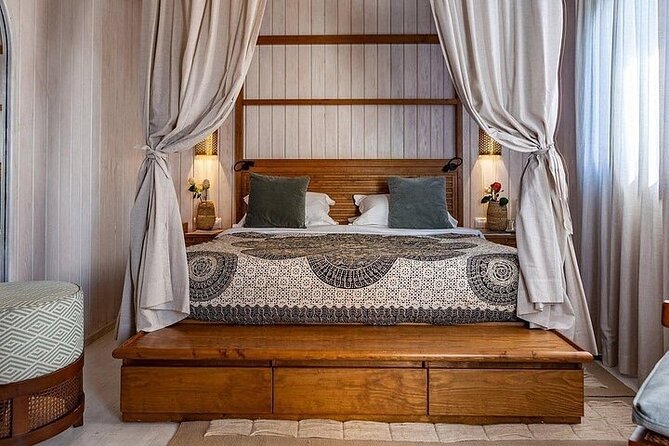
- 4 nights on a 5-star Dahabiya, full board so meals and onboard lodging are handled
- Egyptologist guide + included entrance fees across Aswan to Luxor
- Big-name temples without travel stress with transfers by A/C vehicle
- Day-by-day rhythm that pairs Luxor monuments with Edfu, Kom Ombo, and Philae
- Attentive crew and standout guides show up repeatedly in the experience feedback, including Mohamed Eldahesh and Ahmed
Why a Dahabiya Nile cruise from Luxor to Aswan feels different
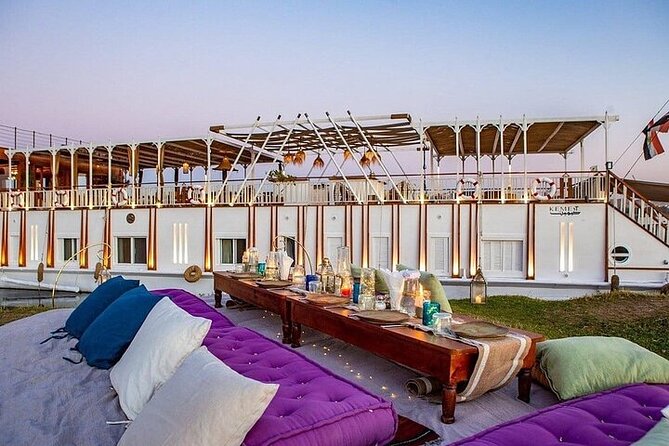
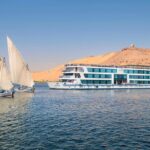
A Dahabiya cruise is one of those rare travel formats where the schedule doesn’t have to feel like a sprint. You get time on the water between temple blocks, and that matters. It turns a long history route into something you can digest without constantly switching hotels, re-checking luggage, or reorganizing your day.
This particular route also covers a smart stretch of the Nile. You start on the Luxor side with New Kingdom royal sites and major temple complexes, then you move northward through Edfu and onward toward Aswan for Philae and the modern-era landmarks around it. The result is a chain of experiences that feel connected, not random.
Another practical win is that this is described as a private tour/activity. That means your group is the focus, not one tiny corner of a bigger crowd. If you like clearer communication and tighter coordination with your guide and driver, that matters more than people think.
You can also read our reviews of more boat tours in Luxor


Price and what $1,999 buys you (and why it might be worth it)
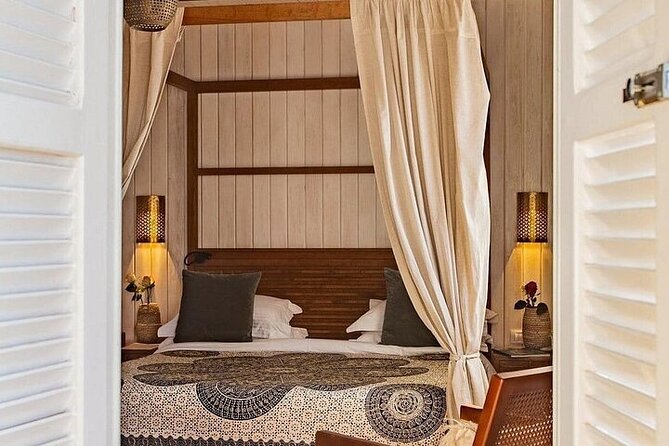
At $1,999 per person for a 5-day / 4-night cruise, the headline number can look steep. But the important question is what you’re actually paying for. In the included list, you get:
- 4 nights onboard a 5-star Dahabiya
- Full-board meals (breakfast 4 times, lunch 4 times, dinner 4 times)
- All transfers by modern air-conditioned deluxe vehicle
- Egyptologist guide during your journey
- Excursions as mentioned in the program
- Entrance fees to sights between Aswan and Luxor
- All fees and taxes
So the cost isn’t just for “being on a boat.” It’s also for the guided access and the logistical pieces that usually cost extra when you book things separately: guides, admission fees, and coordinated transport.
Two small things to keep in mind when judging value:
- Tipping isn’t included, so you should set aside some extra money.
- If you need your own room, you’ll need a separate single booking, which can change the final math.
Also, the tour is stated as being booked about 75 days in advance on average. That’s usually a sign that the best cabins and the most convenient guide assignments can go first during peak travel times.
Day 1 in Luxor: Valley of the Kings, Hatshepsut, Colossi, Karnak
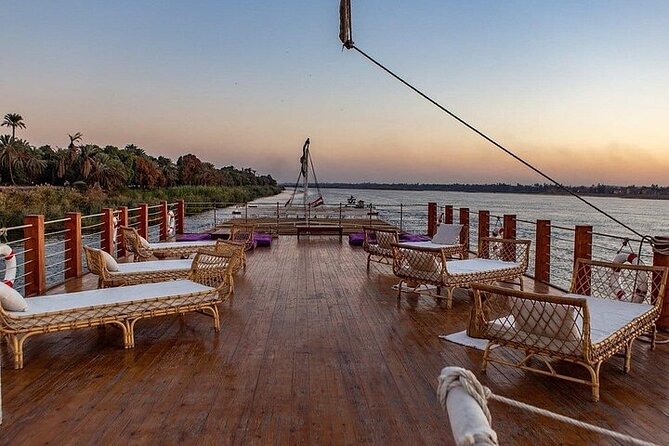
Day 1 is the heavy hitter. It hits multiple layers of ancient Thebes, and it’s structured so you’re not stuck on just one site all day.
Valley of the Kings (2 hours, admission included)
This is one of the places that instantly explains how serious royal burials were. The program frames it as the “Valley of the Gates of the Kings,” where tombs were carved over nearly 500 years for pharaohs and powerful nobles of the New Kingdom. With 2 hours allocated, you should be able to take in the main spaces without feeling rushed.
A good strategy here is to let the guide’s context do the work. When you understand that these tombs are tied to a specific era of carving and power, the stones stop looking random and start looking deliberate.
Temple of Hatshepsut at Deir el Bahari (1 hour 30 minutes, admission included)
Hatshepsut’s mortuary temple is described as a masterpiece of ancient architecture, built during her reign in the 18th Dynasty. It’s one of those sites where time feels different, because you’re walking through a story about a ruler who shaped how history remembered her.
The 1 hour 30 minutes slot is a sweet spot: enough time to notice architectural relationships, without turning the visit into a marathon.
A few more Luxor tours and experiences worth a look
Colossi of Memnon (20 minutes, free admission)
Then you get a brief stop at the Colossi of Memnon—two massive statues of Amenhotep III. The program keeps this short (20 minutes) which is practical. It gives you a quick visual anchor before the day’s final temple complex.
If you’re a detail person, spend a few extra seconds taking in scale. These statues are meant to dominate the approach and make the rest of the landscape feel smaller.
Temple of Karnak (2 hours, admission included)
Karnak Temple Complex is described as a vast mix of pylons, chapels, decayed temples, and other buildings. That variety is the point. It’s not one “perfect temple”; it’s a large network of sacred architecture that shows change over time.
With 2 hours, you’ll have enough time to orient yourself and see why Karnak is often compared to an entire world of stone rather than a single monument.
Day 1 drawback to consider: it’s a lot of major sites back-to-back. If you’re sensitive to long on-site hours, plan to treat the cruise portion as your recovery time after Karnak.
Day 2 Edfu’s Temple of Horus and Gebel el Silsila quarry area
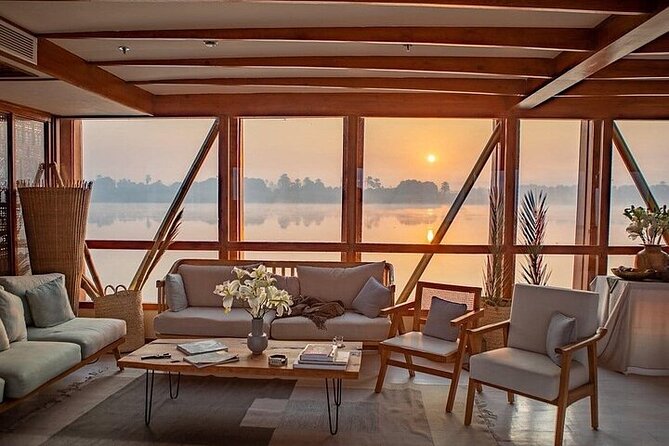
Day 2 shifts from the Luxor side’s royal and mortuary sites to Edfu and the sandstone-work behind major construction.
Temple of Edfu (Temple of Horus) (2 hours, admission included)
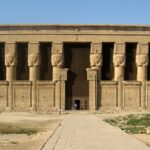
Edfu’s temple is introduced as being on the west bank of the Nile in Edfu, and the city’s history includes a Hellenistic period reference. The program links the temple to the chief god Horus, and also notes the identification of Horus with Apollo under interpretatio graeca.
That blend matters. It gives you more than architecture; it gives you a sense of how cultures overlapped in later periods around older Egyptian religious themes.
With 2 hours, you’re not just passing through. You have time for your guide to explain what you’re seeing and why it’s arranged the way it is.
Gebel el Silsila (2 hours, admission included)
Then comes Gebel el Silsila, described as a major quarry area on both sides of the Nile, used across the 18th Dynasty of the New Kingdom (1550–1070 BC) to construct major works. The program specifically connects it to legendary construction including Karnak, Luxor temple, Medinet Habu, Kom Ombo, and more.
This is a clever stop because it changes your viewpoint. Instead of only seeing finished monuments, you see where the stones were sourced. That makes the whole Luxor-to-Aswan story feel more tangible.
Day 2 consideration: you may spend a lot of time outdoors or in open areas, and the pace stays active with another 2-hour block after Edfu.
Day 3 Kom Ombo’s double temple: why two sides matter
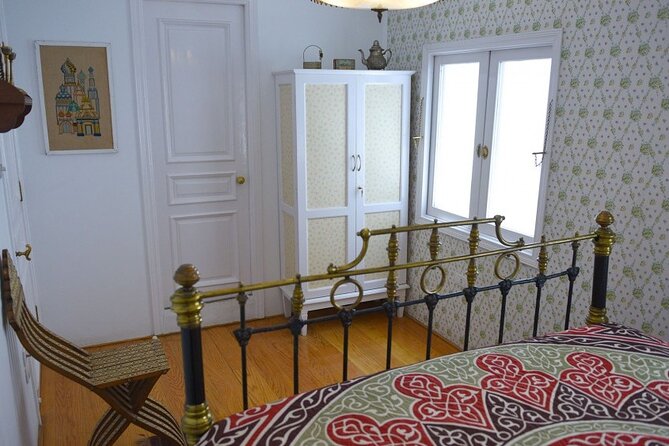
Kom Ombo is where the program’s “special” label makes sense: you’re visiting an unusual double temple.
Temple of Kom Ombo (2 hours, admission included)
The temple is described as a double temple built during the Ptolemaic dynasty (180–47 BC), with later additions in the Roman period. Double temples are interesting because they imply deliberate design and distinct functions within one sacred space.
With 2 hours, you can take in both sides of the temple concept without feeling like you only saw half the point.
What I think makes this stop click: it gives contrast. After Edfu’s temple dedicated in the program’s framing to Horus, you shift into something built later, then expanded again. You’re seeing how Egypt’s religious architecture kept evolving.
Day 4 Aswan High Dam, Unfinished Obelisk, and Philae temple
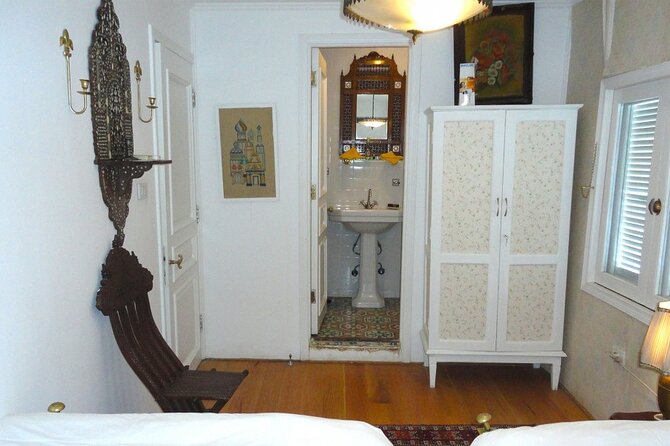
Day 4 is a balance day: modern engineering plus ancient stone plus a relocated temple complex.
Aswan High Dam (30 minutes, admission included)
The Aswan High Dam is described as the world’s largest embankment dam, built across the Nile from 1960 and 1970. It also notes how it eclipsed the earlier Aswan Low Dam completed in 1902.
Even with just 30 minutes, the value is perspective. You see how the Nile’s story changed in the modern era, and you understand why sites nearby aren’t just “ancient ruins” in isolation.
Unfinished Obelisk (1 hour, admission included)
Next is the unfinished obelisk, described as the largest known ancient obelisk, located in the stone quarries of ancient Egypt in Aswan. The program adds that it was studied in detail by Reginald Engelbach in 1922.
This stop is a reminder that building monumental stone didn’t always end in a finished monument. One hour is enough time to appreciate the idea that quarry work could be left unfinished, and that you can still learn from what’s incomplete.
Temple of Philae (2 hours, admission included)
Finally, Philae: the program describes it as an island in the reservoir of the Aswan Low Dam, downstream of the Aswan Dam and Lake Nasser. It also notes that Philae was originally located near the First Cataract and was the site of an Egyptian temple complex.
The big practical takeaway here is that you’re visiting an important temple site that the program explicitly frames as moved/changed in relation to dam development. That makes your visit feel layered: you’re seeing religion and architecture, but also the modern forces that affected where it stands.
With 2 hours, you can do more than glance. This is a strong closing temple.
Day 5 in Aswan: breakfast, disembarkation, and your final transfer
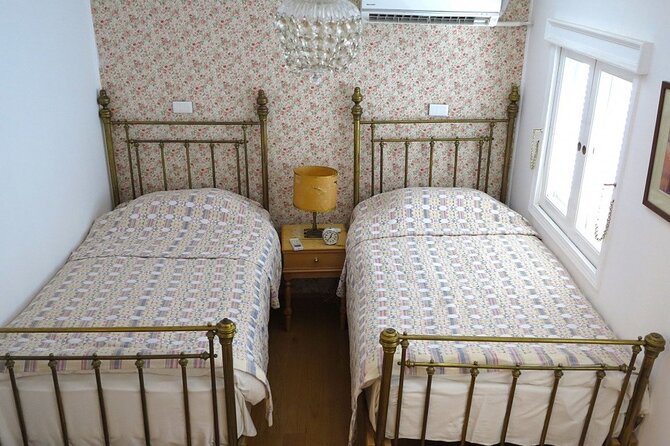
Day 5 is clean and simple. After breakfast, you disembark and then get transferred to any place in Aswan for your final departure. It’s a nice structure because you’re not rushing toward another full sightseeing day at the end.
If your plan includes catching a later flight, taking a train, or continuing south on your own, this “break in the schedule” is helpful. You can pace your last morning instead of cramming one more temple into the final hours.
The guide and crew: what repeatedly makes this cruise feel easy
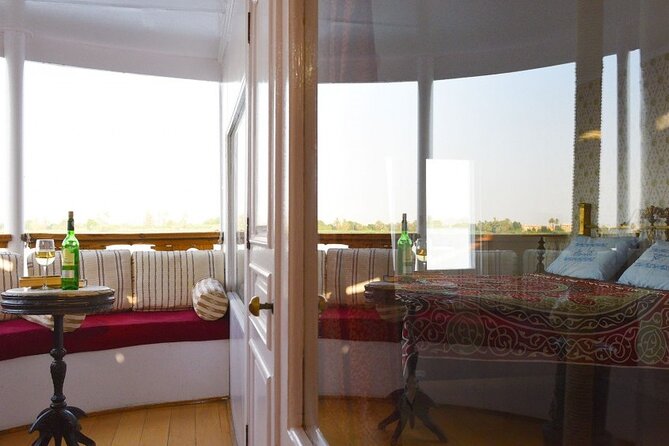
When people praise a tour like this, it’s usually not because the temples are small or the schedule is light. It’s because the human side keeps the trip running.
Across the experience feedback, the crew attention comes through clearly. Guests highlight that the food was delicious and that the staff were attentive. That combination matters on a Dahabiya: you’re eating and relaxing on the boat more than you would in a standard day-trip tour.
The Egyptologist guide is another repeated theme. Names that come up include Mohamed Eldahesh, Mohamed, and Ahmed. What’s consistent in the way those guides are described is not just facts, but how they shaped the day—things like tailored pacing and efficient routes for sightseeing, plus enough time to relax.
If you’re choosing this cruise because you want your temples explained (and your time managed), these guide-related strengths are the kind of detail that can make the difference between a “saw it” trip and a “got it” trip.
Practical tips so the schedule stays fun, not frantic
Here are the practical things I’d do to match the pace of this Luxor to Aswan Dahabiya itinerary.
- Plan for a full day feel on land. Day 1, in particular, stacks major sites with set time blocks, so you’ll want to treat the boat as recovery time.
- Budget for tipping. It’s not included, and on a cruise format, tipping feels more likely than on a quick bus tour because you’ll deal with multiple staff touches.
- If you need a single room, book that option early. Single rooms require separate booking for a single person, which can affect availability and cost.
- For peak dates, watch the extra fee window. The program notes an additional fee from Dec 20 to Jan 7 during Christmas, New Year, and Easter periods.
- If you’re interested in a hot air balloon add-on, know the weather rule. The data states that if it’s canceled due to bad weather, you’ll be refunded $25 per person.
Should you book the 5 Days Dahabiya Nile River Cruise with Roxana Travel?
I think you should book this cruise if you want a value-packed Luxor-to-Aswan trip where major sites are handled for you: guide, admissions, transport, and onboard meals all included in one package. The route is built around famous anchors—Valley of the Kings, Hatshepsut, Karnak, Edfu, Kom Ombo, Aswan High Dam, Unfinished Obelisk, and Philae—so you get a complete Upper Egypt storyline instead of a scattered highlights reel.
I’d be a little cautious if you need lots of unscheduled downtime on land, because the stops are significant and timed. Also, if you require a private single room, factor in that extra booking requirement.
Overall, the strong points are clear: full-board sailing on a 5-star Dahabiya, an Egyptologist guide, and a sequence of monuments that keeps the meaning of each stop connected to the next.
FAQ
What is included in the $1,999 per person price?
The package includes 4 nights onboard a 5-star Dahabiya on a full board basis, airport/port-style help from personnel, all transfers by modern air-conditioned deluxe vehicle, all excursions listed in the itinerary, entrance fees to sights between Aswan and Luxor, an Egyptologist guide, and all fees and taxes. Breakfast, lunch, and dinner are included for 4 days.
Are entrance fees included for the main monuments?
Yes. Entrance fees to all sights between Aswan and Luxor are included, covering stops like Valley of the Kings, Hatshepsut, Karnak, Edfu, Kom Ombo, Aswan High Dam, Unfinished Obelisk, and Philae.
Do you get pickup, and when does the tour start?
Pickup is offered, and the start time is 12:00 pm. You’ll receive confirmation at booking time.
Is this a private tour or shared group experience?
It’s a private tour/activity. Only your group participates.
What are the room options if I’m traveling as a solo traveler?
If you want your own room, you need to book for a single person. Grouping of 3 people uses a triple room, and if someone in that group wants their own room, a separate single booking is needed.
If the hot air balloon is canceled, do I get a refund?
If the hot air balloon is canceled due to bad weather, you will be refunded with $25 per person.
What is the cancellation policy?
You can cancel for free up to 24 hours in advance of the experience’s start time for a full refund. If you cancel less than 24 hours before the start time, the amount paid is not refunded. If the experience is canceled due to poor weather, you’ll be offered a different date or a full refund.