Five days on the Nile can feel like instant Egypt. This private Luxor-to-Aswan cruise is built for comfort and flow, with guided stops at the big hitters like Karnak, the Valley of the Kings, Edfu, Kom Ombo, and Philae. You also get a guide and door-to-door transfers, so you spend your energy looking up at temples—not figuring out transport.
I especially like the pacing: long enough to see the classics up close, but not so rushed that every stop turns into a sprint. I also like the onboard setup, because your days include meals and a place to reset between sites.
One consideration: admission tickets aren’t included, so you’ll want to budget for entry fees on top of the cruise price. Also, expect real walking on temple days, plus Egypt heat and bright sun.
In This Review
- Key highlights you’ll feel on this cruise
- Luxor to Aswan: the value of guided stops without the travel scramble
- Day 1 in Luxor: Karnak’s scale, then Luxor Temple in the right order
- Karnak Temple Complex: the world’s big statement in stone
- Luxor Temple: the smaller sibling that still hits hard
- Day 2 on the West Bank: Valley of the Kings, Hatshepsut’s drama, and Memnon’s shadows
- Valley of the Kings: royal tombs and real atmosphere
- Deir el Bahari and the Temple of Hatshepsut: carved into the mountain
- Colossi of Memnon: two giant witnesses
- Day 3 in Edfu and Kom Ombo: Horus’s temple and the dual-god layout
- Temple of Horus in Edfu: exceptionally preserved
- Kom Ombo: Sobek and Haroeris in one stop
- Day 4 in Aswan: High Dam, boat to Philae, and the unfinished obelisk
- Aswan High Dam: engineering you can still feel
- Philae Temple: a boat ride and Greco-Roman era elegance
- Unfinished Obelisk: see the process, not just the finished result
- Day 5: Aswan airport transfer and optional Abu Simbel add-on
- Price and logistics: what $1,700 buys you (and what it doesn’t)
- Who should choose this Luxor-to-Aswan private cruise?
- Practical tips to get more out of each day
- Should you book this Nile cruise?
- FAQ
- FAQ
- Is this tour private?
- How long is the cruise from Luxor to Aswan?
- What’s included in the price?
- Are admission tickets included for the temples?
- Is pickup offered in Luxor?
- Are meals included during the tour?
- Is tipping included?
- What cancellation window do I get?
Key highlights you’ll feel on this cruise
- Private group only, so the schedule is easier to manage and less crowded than public tours
- Karnak + Luxor Temple on Day 1 sets the tone with major East Bank landmarks
- West Bank classics: Valley of the Kings, Hatshepsut at Deir el Bahari, and the Colossi of Memnon in one day
- Temple variety across the river: Horus in Edfu, then Kom Ombo’s two-god layout
- Aswan highlights by different transport: High Dam plus a boat trip to Philae
- 4-night onboard stay with meals, cutting down the hassle of daily lodging and meals
Luxor to Aswan: the value of guided stops without the travel scramble
The best Nile cruises aren’t just about sightseeing. They’re about removing decision fatigue. On this one, you’re met on arrival in Luxor and moved through each day’s plan with qualified drivers and a professional guide, which matters in Egypt when traffic, ticket lines, and language barriers can turn simple errands into long detours.
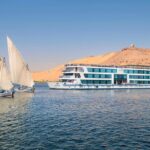
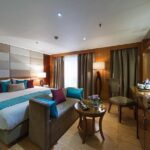
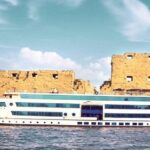
I like that the cruise structure does most of the work. You get 4 nights onboard (with a cruise cabin and facilities), and your day-to-day rhythm is mapped out: breakfast on the ship, site visits with a guide, and meals included across the days you’re touring. It’s the kind of setup that helps you keep your head straight and still enjoy the surprises—like the scale of a temple court or the quiet shock of standing in front of monumental ruins.
The tour is also listed as private, meaning it’s only your group. That doesn’t guarantee “no crowds” at major sites, but it usually makes coordination smoother—especially when you’re matching pace, photo stops, and restroom breaks.
You can also read our reviews of more boat tours in Luxor


Day 1 in Luxor: Karnak’s scale, then Luxor Temple in the right order
Day 1 starts with arrival logistics that are simple on purpose: you reach Luxor Airport, meet the representative, then transfer to the cruise. After you settle, the focus is the East Bank and two key temple complexes.
Karnak Temple Complex: the world’s big statement in stone
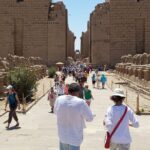
Karnak Temple Complex is the kind of place that makes you understand why ancient Egypt went huge. This is the largest structure ever built in the history of mankind, and the focal point is the temple dedicated to Amun Ra. You’ll have about 3 hours here, which is enough time to get oriented and not just walk past columns.
What you’ll want to do with that time: slow down early. Karnak can feel like an endless arrangement of halls and gateways, but once you grasp the layout, it starts to “click.” A guided approach is useful here because there’s a lot of symbolism—this temple wasn’t only built; it was developed across time, and it shows.
One practical note: admission tickets aren’t included. Plan to budget for entry, and keep a little buffer in your schedule for ticket handling.
Luxor Temple: the smaller sibling that still hits hard
After Karnak, you continue to Luxor Temple, connected to Thebes and dedicated to Amun Re. It was originally constructed by a king of the 12th dynasty and later completed by Ramses II. You’ll get about 2 hours at this stop.
Luxor Temple is more compact than Karnak, which makes it a good follow-up. It helps you keep moving without losing the emotional impact. By the time you reach this temple, you’ve already “seen the size” of Karnak—you’re ready to shift toward details: the way the temple sits in the modern city, and how the lighting and atmosphere can change how carved surfaces look.
Lunch/dinner are noted for the day, and that’s a real advantage. Long sightseeing days can drain you fast; having meals included helps you stay focused on the sites instead of searching for food.
Day 2 on the West Bank: Valley of the Kings, Hatshepsut’s drama, and Memnon’s shadows
Day 2 is where Luxor turns from temples into stories of power. You head to the West Bank of Luxor, which is known as the sacred land of the Theban kings.
You can also read our reviews of more private tours in Luxor
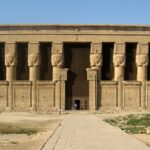
Valley of the Kings: royal tombs and real atmosphere
The itinerary gives you about 3 hours at the Valley of the Kings, described as the royal cemetery where pharaohs were laid to rest. Even if you’ve seen photos, being there in person changes the scale of what “cemetery” means. It’s a place built for eternity, shaped into a landscape of remembrance.
Admission tickets are not included, so again: plan for entry fees. Also, if you’re choosing what to prioritize, I’d keep your expectations realistic. This site is famous, but it’s not one single monument you can absorb in five minutes. A guide helps you pick the right mindset—how to interpret entrances, carvings, and the significance of the burials.
Deir el Bahari and the Temple of Hatshepsut: carved into the mountain
Next comes the Temple of Hatshepsut at Deir el Bahari, scheduled for about 2 hours. This temple is known for being entirely carved into the mountain. That alone is enough reason to visit, but what really works here is the visual effect: the architecture feels layered, like it belongs to the cliff itself.
This is a great stop for photos, but also for slowing down. If you rush here, you miss what makes it special—the way the temple reads as a designed sequence rather than random ruins.
Admission tickets are not included, so budget for entry as you did on Day 1.
Colossi of Memnon: two giant witnesses
To close the West Bank day, you visit the Colossi of Memnon, attributed to Amenhotep III. Time is listed at about 30 minutes, and admission is free.
Thirty minutes sounds short, but for a site like this it can be enough. These statues are huge, and once you register their scale, you don’t need a long explanation to feel the impact. Plus, you’ll be saved from spending your entire remaining energy standing in the sun.
Breakfast/lunch/dinner are included on this day, which helps you recover before the next stretch of cruising and temple hopping.
Day 3 in Edfu and Kom Ombo: Horus’s temple and the dual-god layout
Day 3 shifts the feeling. Instead of moving through Luxor’s two banks, you’re going temple-by-temple along the river route.
Temple of Horus in Edfu: exceptionally preserved
After breakfast, you visit the Temple of Horus in Edfu with about 3 hours for the guided tour. This temple is noted for its exceptional preservation, which is exactly what you want on a trip like this. When ruins are preserved, you can read more of what’s carved, and you spend less time imagining how it looked originally.
Admission tickets aren’t included, so plan again for entry fees.
Kom Ombo: Sobek and Haroeris in one stop
After the Edfu visit, you return to the ship for lunch served onboard, then sail toward Kom Ombo. The afternoon includes about 3 hours at the Temple of Kom Ombo, dedicated to two gods: Sobek and Haroeris.
The dual dedication is interesting because it changes how you experience the space. Instead of one single “main vibe,” you’re watching for how the temple’s design serves two religious focuses. If you like learning how ancient sites are organized by belief systems, this is a smart stop.
After that, you return to your ship, relax on the sun deck, and enjoy Nile views. That part isn’t just downtime. It’s how you digest the day—standing in the sun while ships move along the water gives your brain a clean break from stone and carvings.
Breakfast/lunch/dinner are included on this day as well, which keeps the day from feeling like a constant scramble.
Day 4 in Aswan: High Dam, boat to Philae, and the unfinished obelisk
Aswan is where the Nile experience starts to feel more modern—without losing its ancient gravity.
Aswan High Dam: engineering you can still feel
Day 4 begins with a visit to the Aswan High Dam, scheduled for about 2 hours. It’s described as built in 1960 under President Gamal Abdel Nasser, designed to control Nile flooding and support water security and electricity generation.
If you’ve only thought of Egypt as ancient monuments, this stop widens the frame. It’s a reminder that the Nile isn’t just a historical backdrop—it’s an engine that shapes current life. For many people, this is one of those stops that makes you connect Egypt’s old and new stories.
Admission tickets aren’t included.
Philae Temple: a boat ride and Greco-Roman era elegance
Next is the Temple of Philae, reached via a boat journey to Agilika Island. Time is listed at about 2 hours. Philae dates to the Greco-Roman period and is dedicated to Isis, described as the mother of Horus.
This is a “slower eyes” kind of stop. Temple walls, hieroglyphics, and architecture feel calmer here than in the busiest market-like areas around Egypt’s major sites. The boat transfer also gives your day a gentle rhythm—movement, then arrival, then looking.
Admission tickets aren’t included.
Unfinished Obelisk: see the process, not just the finished result
The day ends with the Unfinished Obelisk. It’s a site made from red granite and connected to Amun Ra. You’ll get about 2 hours here, and it’s especially valuable because it tells the story of craft—stone-cutting technique—without a “complete monument” masking the work involved.
This is the kind of stop that many people love because it shifts the focus from worship to process. You get to think like a craftsman: why certain marks are left, why an obelisk might stop mid-way, and what those clues reveal.
Admission tickets aren’t included.
Day 5: Aswan airport transfer and optional Abu Simbel add-on
On Day 5, you enjoy breakfast and check out from your accommodation, then you’re accompanied to Aswan Airport for your flight to Cairo.
There’s also an optional excursion mentioned: Abu Simbel. The listing notes that Abu Simbel is renowned for awe-inspiring ancient architecture and historical significance, with admission listed as free in the optional item.
One practical thought: because the cruise ends with a flight to Cairo, Abu Simbel is best for people who want a final big-ticket ancient hit and have energy left after the Aswan day.
Price and logistics: what $1,700 buys you (and what it doesn’t)
At $1,700 per person for this private 5-day cruise, the value depends on how you compare it to doing everything independently.
Here’s what you’re paying for, in plain terms:
- 4 nights onboard with cruise cabin facilities, plus meals (breakfast, lunch, dinner) on the days you’re touring
- Transfers and pickup handled with qualified drivers and local taxes/services covered
- A professional guide for the site visits, which usually saves time and helps you interpret what you’re seeing
What you’re not paying for:
- Admission tickets aren’t included
- Tipping isn’t included
So the “real cost” in your budget includes entry fees. If you’re the type who wants a single coordinated plan—rather than negotiating between guides, tickets, and timing—this price starts to make sense quickly.
Also, since it’s private, there’s often extra comfort in not sharing your schedule with strangers. Even when sites get crowded, the group dynamic is usually more manageable.
Who should choose this Luxor-to-Aswan private cruise?
This cruise is a great fit if you want:
- A guided, structured itinerary with major Egyptian sites from Luxor through Aswan
- Comfortable onboard downtime, with meals included across multiple days
- Less stress around moving between cities and temples thanks to transfers
It also makes sense for couples, friends, or small groups who want privacy without giving up the benefits of a local guide.
If you’re the kind of traveler who loves ultra-flexible “wander wherever” days, you might find the schedule limits your spontaneity. But for most people—especially first-timers—this kind of plan is the quickest route to seeing the big names without turning the trip into admin work.
Practical tips to get more out of each day
- Bring a budget for admission tickets, since they’re not included for the temple stops listed with times
- Expect hot sun and plan for breaks; temple days can be long even when the walking looks manageable on paper
- Keep your phone charged and your camera ready; Karnak and Philae are the type of places where the light can change fast
- If you care about “context,” let the guide do the heavy lifting—your job is to ask questions and look for the story behind the carvings
Should you book this Nile cruise?
I think you should book it if you want an efficient Luxor-to-Aswan route where the hard parts are handled for you: pickup, transfers, onboard lodging, meals, and guided temple time. The best evidence is how the experience is consistently described as amazing, with strong service and the feeling that you see a lot of what matters without chaos.
I’d skip—or at least double-check your budget—if admission fees and tipping are going to feel stressful, or if you hate structured schedules. For many people, though, this is a smart way to experience Egypt’s major Nile monuments with less hassle and more seeing.
FAQ
FAQ
Is this tour private?
Yes. It’s described as a private tour/activity, so only your group participates.
How long is the cruise from Luxor to Aswan?
The duration is listed as 5 days (approximately).
What’s included in the price?
Included items are 4 nights accommodation on board 5 star, 1 bottle of water per day per person, all transfers by A-C vehicles with qualified drivers, local taxes and services, a professional guide, meet and assist in Luxor, cruise cabin with all facilities, and meals (lunch 4 times, breakfast 4 times, dinner 3 times).
Are admission tickets included for the temples?
No. The itinerary lists admission tickets as not included for the major temple visits.
Is pickup offered in Luxor?
Yes. Pickup is offered, and you’ll meet and assist your tour leader in Luxor.
Are meals included during the tour?
Yes. Breakfast (4), lunch (4), and dinner (3) are included, plus water is provided at a rate of 1 bottle per day per person.
Is tipping included?
No. Tipping is listed as not included.
What cancellation window do I get?
The experience offers free cancellation up to 24 hours in advance for a full refund, based on local time.