REVIEW · LUXOR
From Luxor:7-Night Luxury Nile River Cruise & Hot Air Balloon
Book on Viator →Operated by Nice tours · Bookable on Viator
Sunrise balloon views over ancient Luxor are hard to top. This 7-night Nile cruise packs the big-name sights from Luxor to Aswan, plus an included hot air balloon flight.
What I really liked is the way you get a full “Egypt hits” day on the West Bank on Day 1, without feeling like you’re sprinting solo.
One caution: entrance fees are not included, and some stops can feel busy on arrival days.
The second thing I liked: the guides and pacing. The tour is built around a private Egyptologist who speaks English, and in the feedback I saw names like Mary Mena, Ayman, and Safa praised for making history click.
If you like clear explanations that match what you’re looking at, you’ll probably feel the payoff fast.
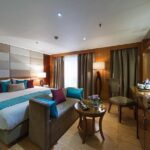
One more consideration: it’s a classic multi-stop circuit, so you’ll be in crowds at the major temples, and even with a luxury cruise label, one review noted the boat rooms can feel a bit older.
Plan for sun, heat, and a tight schedule, especially around places like Karnak and Abu Simbel.
In This Review
- Key highlights before you go
- Price and what you’re really paying for
- The setup: Luxor start, private guide, and a busy but organized flow
- Day 1 on the West Bank: Valley of the Kings, Hatshepsut, Memnon, then Luxor market time
- Valley of the Kings: tombs, including Tut-Ankh-Amon access
- Deir el Bahari: Temple of Hatshepsut
- Colossi of Memnon: the quick photo stop with meaning
- Back to Luxor: market time
- Day 2: sunrise hot air balloon over Luxor, then Esna by evening
- Day 3: Edfu by horse and carriage, then Kom Ombo’s twin-temple concept
- Edfu Temple: Ptolemaic scale and a horse-and-carriage ride
- Kom Ombo: two gods, two sides
- Day 4 in Aswan: High Dam, Philae Island, then market time
- Day 5: Abu Simbel as the main event, plus Nubian Village on your cruise route
- Abu Simbel: the world-famous sight with the time it deserves
- Nubian Village: cultural time after lunch
- Days 6 and 7: cruising days at your own pace
- Day 8: East Bank finale—Karnak and Luxor Temple, then drop-off
- Karnak: the biggest temple complex in the world
- Luxor Temple: Amenhotep III and Ramses completion
- Where this tour is a great fit (and where it may not be)
- The guide matters, and the feedback names give you clues
- Should you book this Luxor Nile Cruise and Hot Air Balloon?
- FAQ
- How long is the Nile cruise included?
- What places does this tour visit?
- Is the hot air balloon ride included?
- Are meals included?
- Are entrance fees included?
- Is pickup and drop-off included?
- What time does the experience start?
- Is this tour private?
- What is the cancellation policy?
Key highlights before you go
- Sunrise hot air balloon over Luxor (Day 2): a big “wow” moment early in the trip
- West Bank day with Valley of the Kings + Hatshepsut: three major sites stitched together
- Edfu temple by horse and carriage: a fun throwback way to get to the temple entrance
- Abu Simbel as a full-day priority: long enough to actually take it in
- Nubian Village visit from the ship: a cultural stop built into the cruise rhythm
- Karnak + Luxor Temple on the East Bank: two titans on your final morning
Price and what you’re really paying for
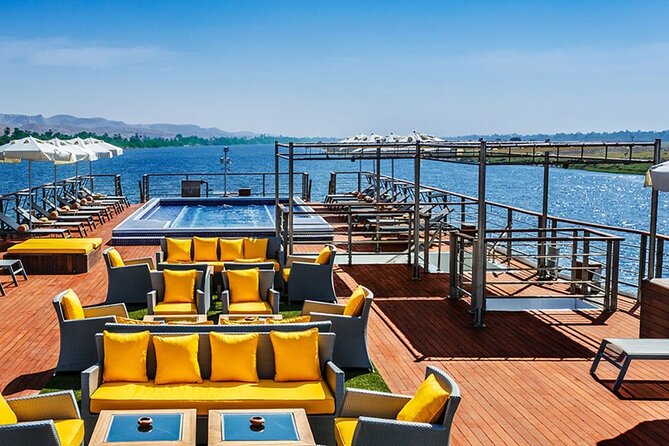
At $900 per person, the value depends on what you normally pay for a cruise, a private Egyptologist, and a hot air balloon. Here, the cost is anchored by a 5-star 7-night Nile cruise with meals and a guided route that includes major sites across Luxor and Aswan.
The best way to think about it: you’re not buying “just a cruise.” You’re buying transportation, timing, a guide for the temples, and an included balloon flight. That matters in Egypt because the logistics of getting from one wonder to the next can chew up time and energy.
Do factor in entrance fees, though. The itinerary explicitly marks multiple stops as admission ticket not included (Valley of the Kings, Deir el Bahari, Kom Ombo, Philae/Isis temple, Abu Simbel, and the East Bank temples like Karnak and Luxor Temple). So budget extra for tickets, and keep a little flexibility in your plan if ticket lines add time.
You can also read our reviews of more boat tours in Luxor


The setup: Luxor start, private guide, and a busy but organized flow
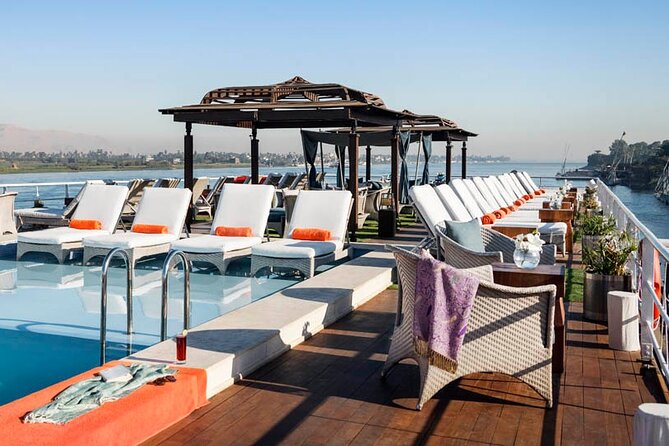
You’ll meet at 11:00 am for the start of your experience, with airport/hotel pickup and drop-off offered. The overall structure is designed so you can hit the West Bank, then swing back to the Nile for cruising between temple cities.
This is private in the sense that it’s your group only, not a mixed crowd of strangers on every transfer. That can make a big difference on long temple days, because you don’t spend your time decoding who’s where.
You’ll also have mobile ticket access, which can help reduce friction on the day of travel. Nothing fancy needed—just keep your phone charged, and don’t rely on luck if the battery is low.
Day 1 on the West Bank: Valley of the Kings, Hatshepsut, Memnon, then Luxor market time
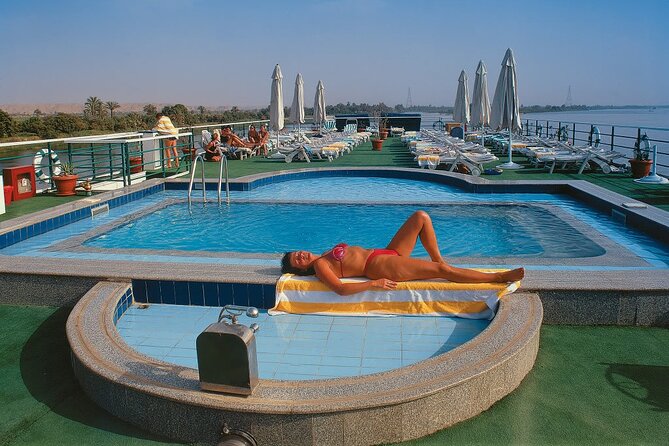
Day 1 is the West Bank power move. You’re heading west to the tomb landscape that makes Luxor famous, then returning to the city for a bit of real-world atmosphere.
Valley of the Kings: tombs, including Tut-Ankh-Amon access
You’ll visit the Valley of the Kings, including notable tombs such as Ramesses III, Ramesses VI, and Mrenptah, plus entrance to Tut-Ankh-Amon. This is where you learn why the Valley layout is so specific—tombs weren’t built like “one monument,” they were built as an organized necropolis with strong design rules and shifting burial priorities.
One practical note: many people want the perfect photos here, but you’ll get the best value by pacing yourself and reading the carvings. The guide’s explanations matter most in tight tomb spaces.
Deir el Bahari: Temple of Hatshepsut
Next is the Temple of Hatshepsut at Deir el Bahari, dedicated to Egypt’s female ruler who reigned for about 20 years. This stop feels different from the Valley of the Kings. It’s brighter, more open, and the architecture gives you a “timeline feeling” as you look from the approach into the terraces.
Colossi of Memnon: the quick photo stop with meaning
The Colossi of Memnon are shorter on time—about 30 minutes—but they’re not just statues for your Instagram feed. They tie you back to the broader royal mortuary world of Amenhotep III, and they work well as a “breather” between heavier tombs.
Back to Luxor: market time
You’ll then head back to explore Luxor city and its old market. This is the moment where the trip stops feeling like a theme park of ancient stones and becomes a city you can actually walk around in. Even 60 minutes can help you reset your brain after the historical intensity.
Tip for your comfort: Day 1 includes several outdoor segments. Wear light layers you can adjust fast, and keep water handy even if you’re on a schedule.
Day 2: sunrise hot air balloon over Luxor, then Esna by evening
Day 2 is built around a big-ticket experience: the hot air balloon ride. You rise early, before sunrise, float over Luxor and surrounding areas, then head back to the boat. The tour description emphasizes sailing through ancient villages and islands afterward, which is a nice way to transition from “air view” to “Nile reality.”
Here’s why it’s worth caring about timing: a balloon flight is one of those rare experiences where the light is the whole show. Sunrise changes everything—temples and mud-brick edges look completely different than they do at midday.
After that, you’ll arrive in Esna in the evening. That gives you a gentle end-of-day shift. You’re not staring at monuments all night; you’re on the river, and you can actually digest what you saw.
Day 3: Edfu by horse and carriage, then Kom Ombo’s twin-temple concept
Day 3 has a fun transport twist and a clever temple design.
Edfu Temple: Ptolemaic scale and a horse-and-carriage ride
In the morning, you’ll arrive in Edfu and take a traditional horse and carriage ride to the temple. This is one of those “small logistics” parts that makes the day feel special. The ride sets the tone: slower, local, and visually grounded.
Then you’ll see the Edfu temple, described as the largest Ptolemaic temple in Egypt. The scale matters because it’s not a tiny stop—you’re looking at an entire stone complex built around religious meaning.
Kom Ombo: two gods, two sides
In the afternoon, you cruise to Kom Ombo. You’ll stop at the temple dedicated to two gods and learn why the architecture contrasts on both sides. This is a great temple for people who like to notice patterns. The guide explanations can turn “two symmetrical areas” into a clear story of religious purpose.
Day 4 in Aswan: High Dam, Philae Island, then market time
Aswan is where the Nile starts to feel more Nubian in character, and the tour leans into that.
After breakfast, you head to Aswan, then visit the Temple of Isis on Philae Island. The itinerary also includes time connected with the Aswan High Dam. Even if you’re not a “dam person,” it’s useful context—this is the kind of infrastructure that shapes how the Nile works for modern life.
You’ll also get free time to discover Aswan and its ancient market. That’s your chance to buy small souvenirs, snack, or just watch daily life. It’s a smart inclusion because it balances all the temple walking.
Day 5: Abu Simbel as the main event, plus Nubian Village on your cruise route
If you’re the type who worries about whether you’ll have time at big monuments, pay attention to Day 5. It’s scheduled as a long visit: about 6 hours at the Abu Simbel Temple Complex.
Abu Simbel: the world-famous sight with the time it deserves
Abu Simbel is often treated like a “blink-and-you-miss-it” stop on day trips. Here, it’s given proper room so you can step back, reframe your expectations, and actually read what you’re looking at. The sheer scale and carving quality can hit different when you’re not rushing to the next transfer.
Nubian Village: cultural time after lunch
After Abu Simbel, you return to the Nile cruise ship for lunch, then visit the Nubian Village. This part is explicitly listed as included/free time, with about 2 hours for the visit. The value here is simple: it adds human texture to all the stone you’re seeing.
Days 6 and 7: cruising days at your own pace
Days 6 and 7 are the “let your feet breathe” days. The plan gives you leisure time on board, and Day 7 continues the cruising rhythm back toward Luxor.
This is important if you’re doing the balloon and multiple temple days in a row. Without downtime, the trip can start to feel like a nonstop checklist. Here, you’ll have a chance to slow down: write notes, watch the banks slide by, or just sit with a drink and let ancient Egypt stop feeling like homework.
Day 8: East Bank finale—Karnak and Luxor Temple, then drop-off
Your final morning concentrates on two of the biggest names on the East Bank.
Karnak: the biggest temple complex in the world
You’ll visit Karnak, described as the biggest temple complex in the world, for about 2 hours. That time isn’t huge, but it’s enough if you focus on the guide’s route and prioritize what you’re standing in front of. Karnak is famous for scale and layering, so you’ll want context more than you want to “see everything.”
Luxor Temple: Amenhotep III and Ramses completion
Next is Luxor Temple, built by Amenhotep III in the 18th Dynasty and completed by Ramses. This stop tends to feel more cohesive after Karnak because the space is easier to understand. You get a clearer sense of “why this temple exists” rather than just how big it is.
Then you’ll finish with drop-off back at your accommodation or at the airport in Luxor.
Where this tour is a great fit (and where it may not be)
This tour works best if you want a structured, guided way to hit Luxor, Edfu, Kom Ombo, Aswan, and Abu Simbel without having to plan every transfer. It’s also ideal for first-timers who want a guide to translate what you’re seeing in tombs and temple walls.
It may feel like too much if you:
- hate early mornings (Day 2 balloon is sunrise timing)
- dislike crowds at major temples
- prefer long unscheduled time walking rather than moving stop to stop
- are very sensitive to room “freshness” on boats (one review noted older-feeling rooms, even if the overall cruise experience was described positively)
The guide matters, and the feedback names give you clues
In the reviews, certain guides and staff came up again and again—names like Mary Mena, Ayman, Safa, Remon, Issa Mahmoud, George, and Fam. The common thread is how they handled pace and explanation: clear English, solid historical storytelling, and flexibility when people wanted extra time for questions or photos.
One small but real service detail: some reviews mention friendly welcomes and thoughtful touches at breaks, including time at a cafe and even birthday surprises. Those are never guaranteed, but they point to the kind of customer service style used by this operator.
Should you book this Luxor Nile Cruise and Hot Air Balloon?
Yes—if you want a guided “greatest hits” route with a luxury cruise base and a real, scheduled balloon flight. This is a strong value when you factor in meals, private Egyptologist guidance, transport, and the fact you’re covering West Bank, multiple temple cities, and Abu Simbel in one package.
Book with care if your priorities are very different—like staying off the beaten path, avoiding early mornings, or skipping entrance fees. You’ll need to budget extra for tickets at key sites, and you should accept that the big names will bring crowds.
If you’re ready for a packed week of temples and river views—with a sunrise flight as the headline—this is the kind of trip that makes Egypt feel immediate, not distant.
FAQ
How long is the Nile cruise included?
The experience is listed as 7 nights on a Nile cruise, with an 8-day duration approximately.
What places does this tour visit?
It covers Luxor and the major stops along the route including the West Bank sights, Edfu, Kom Ombo, Aswan (including Philae/Isis area), Abu Simbel, and an East Bank finish with Karnak and Luxor Temple.
Is the hot air balloon ride included?
Yes. The hot air balloon ride is included in the program.
Are meals included?
Yes. Meals are included, listed as breakfast (7), lunch (7), and dinner (7).
Are entrance fees included?
Entrance fees are not included (with the itinerary noting some admissions as not included, even though a few items show included/free access).
Is pickup and drop-off included?
Yes. Airport/hotel pickup and drop-off are included, and pickup is offered.
What time does the experience start?
The start time is 11:00 am.
Is this tour private?
Yes. It’s described as private, meaning only your group participates.
What is the cancellation policy?
Free cancellation is available. You can cancel up to 24 hours in advance for a full refund. If you cancel less than 24 hours before the start time, the amount paid is not refunded.