REVIEW · LUXOR
5 Days Dahabiya Nile River Cruise from Luxor to Aswan
Book on Viator →Operated by Roxana Travel · Bookable on Viator
A five-day Nile cruise can feel like time travel. This one mixes Dahabiya-style sailing comfort with major Upper Egypt sights like the Valley of the Kings, Karnak, and Philae, plus thoughtful guidance from your Egyptologist. I especially like the small-group feel onboard, and how the day-to-day sightseeing connects temple to tomb to empire. One thing to consider: the days are packed with big sites and specific time slots, so this is more “do and see” than slow wandering.
You’ll also want to know the cruise pace is built around included entrances and guided stops, not on-the-fly detours. The boat experience itself is a strong draw—many people highlight the clean, cozy cabins, attentive crew service, and relaxing deck moments like sunset and stargazing—so the sightseeing intensity makes sense. If you prefer a totally free schedule, you may feel a bit constrained.
In This Review
- Key highlights you’ll notice fast
- Why a Dahabiya cruise feels different than a big-ship Nile trip
- Price and what you truly get for $1,999.05
- Day 1 in Luxor: Valley of the Kings, Hatshepsut, Colossi, and Karnak
- Day 2: Edfu’s Temple of Horus plus Gebel el Silsila’s quarry history
- Day 3: Kom Ombo’s double temple and its unusual design
- Day 4 in Aswan: High Dam, the Unfinished Obelisk, and Philae’s island setting
- Day 5: Breakfast onboard, disembarkation, and a final transfer in Aswan
- Onboard comfort and the details that people actually care about
- Getting the most out of the Luxor-to-Aswan flow
- Who should book this cruise (and who might skip it)
- Should you book with Roxana Travel for the 5 Days Dahabiya Nile Cruise?
- FAQ
- What is the duration of the Dahabiya cruise from Luxor to Aswan?
- What’s included in the price?
- Are entrance fees included?
- What time does the experience start?
- Is this tour private?
- Is tipping included?
- If a hot air balloon is cancelled, do I get a refund?
- What are the rules for free cancellation?
Key highlights you’ll notice fast
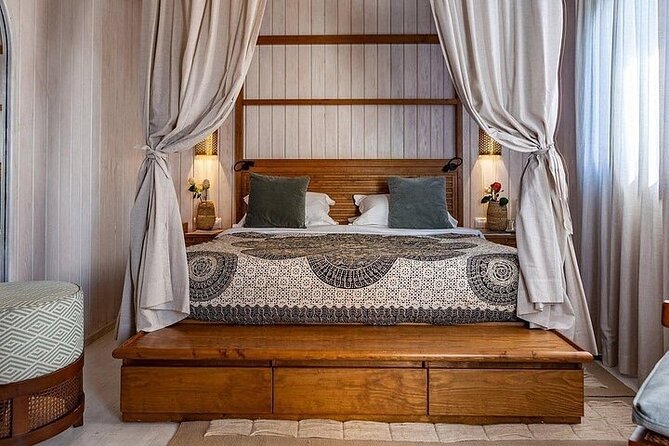
- Small-group onboard atmosphere that feels personal instead of crowded
- 5-star Dahabiya, full-board comfort across 4 nights (breakfast, lunch, dinner included)
- Egyptologist-led visits tied to the sites you’re actually walking through
- Big-name temples and tombs from Luxor to Aswan, with entrances included
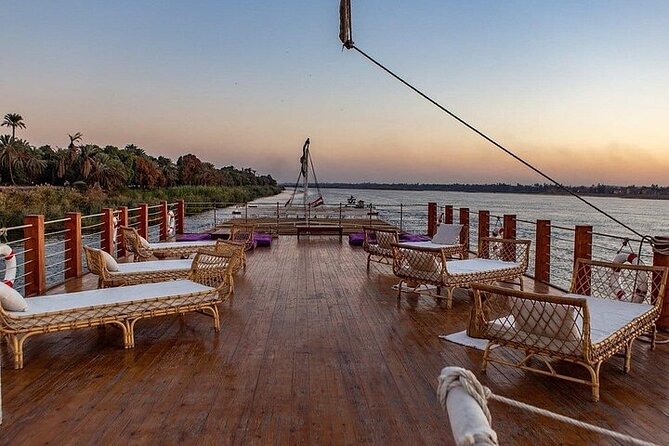
- Deck downtime at night—sunset views and stargazing show up as real favorites
Why a Dahabiya cruise feels different than a big-ship Nile trip
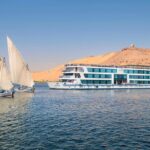
A Dahabiya is built for a slower, more old-school rhythm. Instead of feeling like you’re moving through a floating mall, you get more of that classic river feel—quiet moments, a comfortable cabin base, and time to enjoy the Nile from the deck.
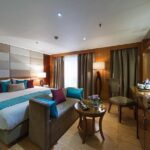
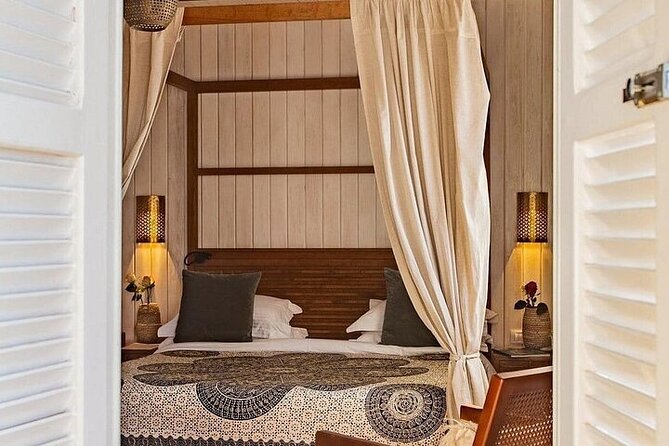
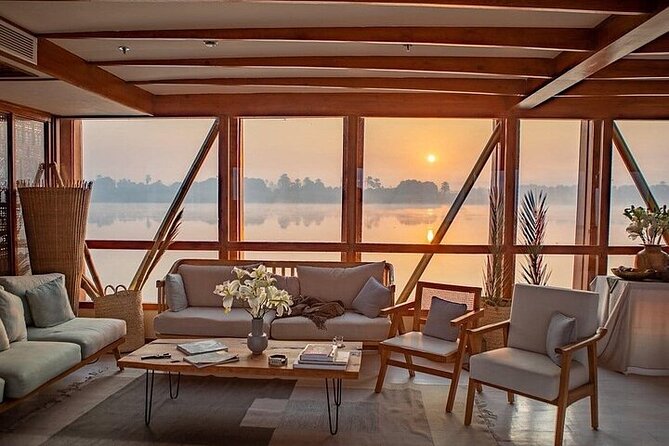
The onboard vibe is part of the value here. Reviews for the Al-Dahabiya experience repeatedly point to a clean, well-kept ship, spacious/cozy rooms, and an attentive crew. That matters because the Nile isn’t just scenery—it’s also where you decompress between the major sites.
And the “small number of guests” point is not fluff. Fewer people usually means fewer bottlenecks at meals and on deck, and it’s easier for your guide to keep the group together during visits.
You can also read our reviews of more boat tours in Luxor


Price and what you truly get for $1,999.05
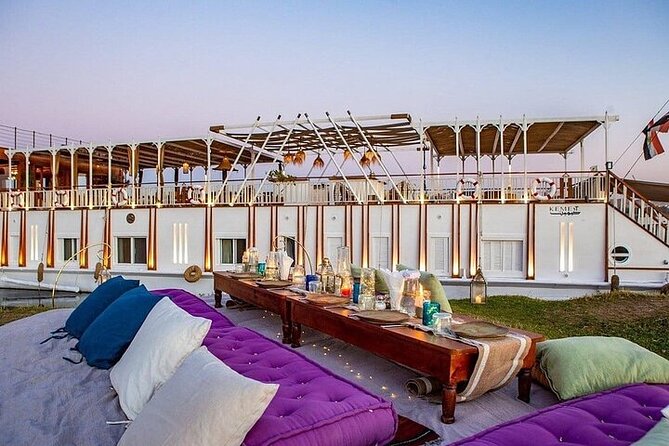
At $1,999.05 per person, you’re paying for more than a cabin and a boat ride. The price is set up like a full package: modern air-conditioned deluxe vehicle transfers, all excursions as mentioned, an Egyptologist guide, and entrance fees to sights between Aswan and Luxor.
You also get full-board on the boat: 4 breakfasts, 4 lunches, and 4 dinners, plus accommodation for 4 nights onboard a 5-star Dahabiya. For many travelers, this is where the money adds up—private touring plus site tickets plus guide time is exactly what can blow up your budget if you try to DIY it.
What’s not included is also clear: tipping, personal expenses, and any add-ons not listed. So if you’re the type who likes extra shopping stops or special experiences on top, budget for that separately.
Day 1 in Luxor: Valley of the Kings, Hatshepsut, Colossi, and Karnak
Day 1 is pure New Kingdom power—royal tombs, royal architecture, then the scale of Karnak. You start with the Valley of the Kings, where pharaohs and powerful nobles were buried for nearly 500 years (from the 16th to the 11th century BC). The stop is timed at about 2 hours, and it includes admission.
Next comes the Temple of Hatshepsut at Deir el Bahari (around 1.5 hours). This is one of those places where the stone layout is doing the talking. Hatshepsut’s mortuary temple is famous for its architectural design, and you get the chance to see it as a finished monument instead of just a photo.
Then you hit the Colossi of Memnon. Even with only 20 minutes and free admission, it’s a useful palate cleanser: two massive statues standing guard at the ruined temple area of Amenhotep III.
Finally, you end Day 1 at Karnak Temple Complex for about 2 hours with admission included. Karnak is enormous and layered, and having an Egyptologist guide matters because it helps you spot what you’re looking at—pylons, chapels, and the overall temple structure—without feeling lost.
Possible drawback for this day: it’s a lot of high-impact sites back-to-back, and the total time at each stop is limited. If you love soaking in details for a long time, plan to focus on the “big picture” first and let smaller elements be a bonus.
Day 2: Edfu’s Temple of Horus plus Gebel el Silsila’s quarry history
Day 2 moves you toward Edfu with the Temple of Edfu (Temple of Horus) on the agenda. Expect about 2 hours here with admission included. This temple is often seen as a standout because it’s a major religious center tied to Horus—so you’re not just touring another temple, you’re stepping into a site built around a core belief system.
After Edfu, you continue to Gebel el Silsila, described as the “Golden Chain” area between Edfu and Kom Ombo. This stop lasts about 2 hours, and it includes admission. The key historical angle here is that Gebel el Silsila served as a quarry site from the 18th Dynasty of the New Kingdom onward (1550–1070 BC), supplying stone for huge projects like Karnak, Luxor Temple, Medinet Habu, and others.
That’s a smart inclusion. It helps connect the dots: not only where rulers worshipped, but also where the building materials came from. For me, that’s when the Nile story starts to feel more real—this wasn’t just construction and worship, it was an entire supply chain across generations.
Day 3: Kom Ombo’s double temple and its unusual design
Day 3 focuses on Kom Ombo Temple, a double temple built during the Ptolemaic dynasty (180–47 BC) with later Roman additions. It runs about 2 hours with admission included.
The “double temple” concept is not a throwaway fact—it’s what makes Kom Ombo feel different from many other Egyptian temples. You’ll have a chance to see how the temple layout supports multiple divine associations, and that contrast makes the stop easier to remember later.
This is a good day for anyone who finds repetition tiring. Luxor and Edfu can feel similar at first glance—mighty stone, ceremonial spaces, big names. Kom Ombo gives you a structure that’s noticeably more unusual, so the itinerary doesn’t blur together.
A few more Luxor tours and experiences worth a look
Day 4 in Aswan: High Dam, the Unfinished Obelisk, and Philae’s island setting
Day 4 is an Aswan heavy hitter—modern engineering first, then ancient Egypt in full focus.
You start with the Aswan High Dam. The stop is shorter at about 30 minutes, with admission included. Even in a short time, it’s worth it because you’re seeing how the Nile was reshaped in the modern era—something you’ll feel when you later visit temple areas influenced by reservoir changes.
Next is the Unfinished Obelisk, about 1 hour with admission included. This is exactly the kind of site that makes you appreciate stonework, not just monuments. It’s described as the largest known ancient obelisk and sits in the quarry region where ancient Egyptians were working with the raw material itself.
Then you finish at Temple of Philae for around 2 hours with admission included. Philae is an island location in the reservoir area connected downstream of the Aswan High Dam, and it originally belonged closer to the First Cataract. That historical relocation angle is significant, because it explains why the temple you’re visiting today exists in this altered setting.
If you like feeling the “before and after” of geography, Day 4 is the day.
Day 5: Breakfast onboard, disembarkation, and a final transfer in Aswan
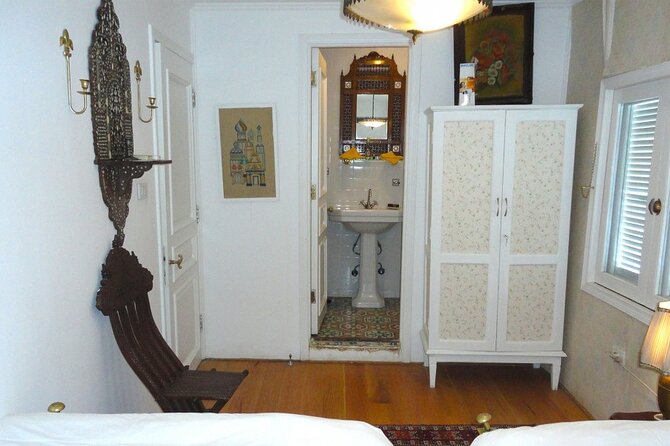
Day 5 is about easing out of the cruise. You disembark after breakfast and then get a transfer to wherever you want to go in Aswan for your final departure.
This structure is practical. Instead of rushing straight into another full day of touring, you get an ending that feels lighter—especially helpful after several consecutive temple-heavy days.
Onboard comfort and the details that people actually care about
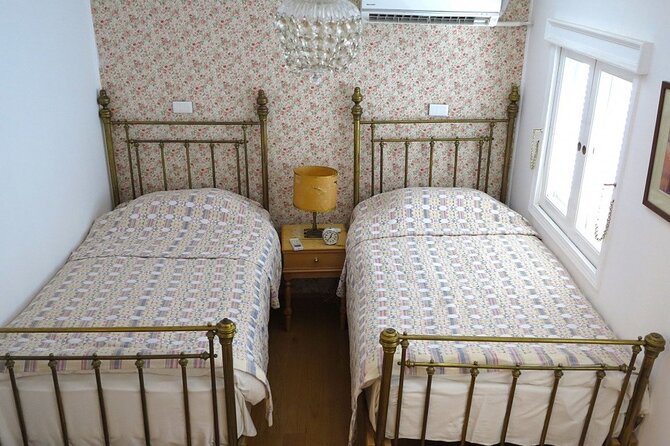
The Al-Dahabiya-style onboard experience shows up again and again for a reason. You’re not just paying for sightseeing—you’re paying for the downtime in between.
From the feedback you can infer what matters most onboard:
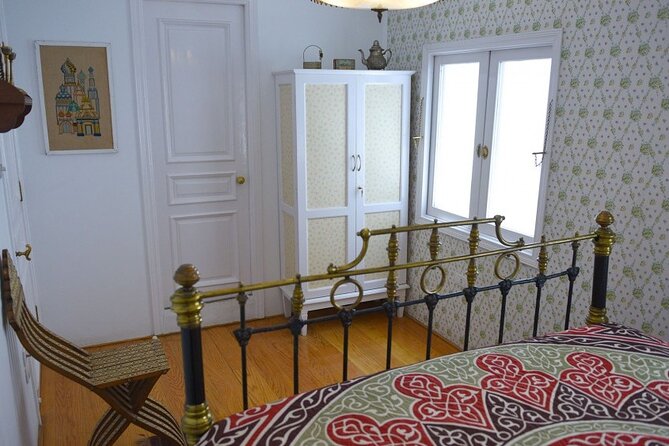
- Clean, well-maintained cabins that feel comfortable rather than cramped
- Spacious/cozy rooms for a real night’s rest between tours
- Attentive crew service, so small needs don’t become big hassles
- Great deck moments, especially sunset views and night stargazing
And food tends to be a highlight. The included meals are described as exceptional and full of traditional Egyptian flavors, served as part of the full-board setup. That’s not guaranteed anywhere else on the Nile unless you choose a similarly structured package.
Also, your Egyptologist guidance can shape the whole trip. One guide name that appears in the experience details is Mohammad Al Dahesh, described as passionate and good at storytelling—so you’re not just walking through rooms, you’re learning how the pieces connect.
Getting the most out of the Luxor-to-Aswan flow
This trip is built around major sites and clear time blocks. That’s a feature if you want efficient travel and fewer decisions.
Here’s the best way to think about it:
- You’ll see Luxor’s west and east bank icons on Day 1 (tomb landscape plus Karnak’s temple complexity).
- You’ll transition to Edfu and quarry history on Day 2.
- You’ll get Kom Ombo’s distinctive temple layout on Day 3.
- You’ll finish with Aswan’s engineering, quarry craft, and Philae temple on Day 4.
- Day 5 returns you to a simple end: breakfast, disembarkation, transfer.
If you want a trip that feels like a guided “greatest hits” tour, this works well. If you want lots of free time to wander alone at every stop, you may feel you’re on a schedule more than you’d like.
Who should book this cruise (and who might skip it)
This is a strong choice if you want:
- A guided, Egyptian-history-forward experience with an Egyptologist
- Comfortable boat time with a smaller onboard feel
- A route that hits major temples and tomb sites from Luxor to Aswan without extra planning
You might want to consider another option if you’re the type who hates structured days. The itinerary is packed with major stops, and the visit durations are set (from 20 minutes at Colossi of Memnon up to 2 hours at key temples).
Also, since the program is a private tour/activity and only your group participates, it can be ideal for families or friends who want to travel together without mixing with strangers.
Should you book with Roxana Travel for the 5 Days Dahabiya Nile Cruise?
Yes, if the priorities on your wish list match what this package is built to deliver. The value isn’t just the boat—it’s the combination of 5-star Dahabiya comfort, full-board meals, A/C transfers, entrance fees, and an Egyptologist guide across a tight route.
I’d book this if you want less logistics and more confidence that you’ll see the major sites in the right order with real explanations—not just audio guides and hope.
Before you commit, decide whether you’re comfortable with a sightseeing-heavy rhythm. If you love temple-hopping with smart guidance and don’t need long free time at each location, this cruise is a very good fit.
FAQ
What is the duration of the Dahabiya cruise from Luxor to Aswan?
The experience runs for about 5 days (4 nights onboard), with disembarkation after breakfast on the final day.
What’s included in the price?
The package includes all transfers by modern air-conditioned deluxe vehicle, the listed excursions, an Egyptologist guide, assistance during the Dahabiya cruise, entrance fees to sights between Aswan and Luxor, full-board onboard accommodation for 4 nights, and all fees and taxes.
Are entrance fees included?
Yes. Entrance fees are included for all sights between Aswan and Luxor that are part of the program.
What time does the experience start?
The start time is 12:00 pm.
Is this tour private?
Yes. It’s described as a private tour/activity, with only your group participating.
Is tipping included?
No. Tipping is not included.
If a hot air balloon is cancelled, do I get a refund?
If the hot air balloon is cancelled due to bad weather, you will be refunded with $25 per person.
What are the rules for free cancellation?
Free cancellation is available if you cancel up to 24 hours in advance for a full refund. If you cancel less than 24 hours before the start time, the amount paid is not refunded.