REVIEW · LONDON
London Tootbus Hop on Hop off Bus Tour and Thames River Cruise
Book on Viator →Operated by Tootbus · Bookable on Viator
London in one day, minus the guesswork. This tour clicks because I love the flexible hop-on hop-off format and the real-time app tracking, so you can spend time where your curiosity pulls you. The main drawback to plan for: when traffic hits (or the service is disrupted), you can lose time and the audio may not feel perfectly synced to what you’re seeing.
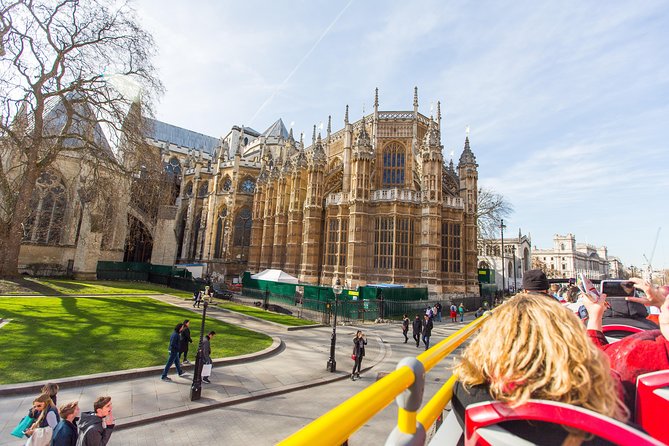
You’re cruising in a comfortable double-decker, with seats inside or on the open-air deck for wide-angle views of London landmarks. The big added bonus is the included Thames River hop-on hop-off cruise, so you’re not stuck only watching the city from the road.
One more practical heads-up: there’s no restroom on board, and the experience can feel confusing if you’re relying on stop signage and the app to do all the work at once. Still, if you want an easy way to cover a lot of ground fast, this pass is a solid tool in your pocket.
In This Review
- Key points to know before you get on
- Price and what you really get from the $53.74 pass
- Where the buses start: easy-to-find locations near major landmarks
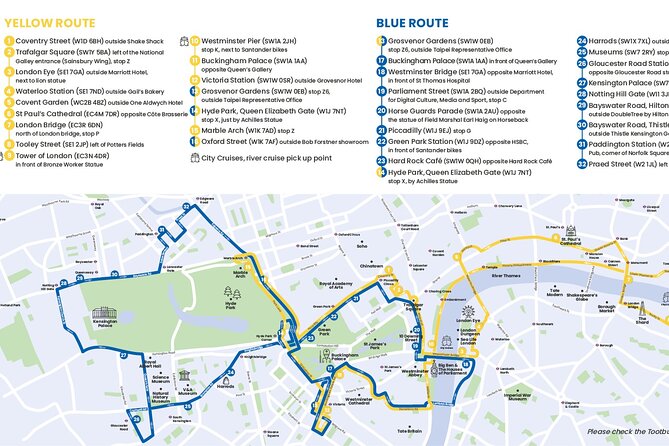
- Route strategy: how to choose among the three circuits
- 1) Westminster-focused riding
- 2) City and Tower area riding
- 3) West End, Kensington, and museum-to-palace sprawl
- Stop-by-stop: what each landmark zone is good for (and what to watch)
- Coventry Street (in front of Shake Shack)
- Pall Mall East and Whitehall
- Parliament Street and Westminster Station area
- Westminster Bridge Road and the London Eye
- Waterloo Station
- Covent Garden (near Aldwych/Covent Garden stop area)
- Ludgate Hill to St Paul’s Cathedral
- London Bridge, Tooley Street, and Tower Hill
- Temple and Westminster Pier
- Buckingham Palace, Horseferry Road, and Westminster-adjacent stops
- Hyde Park (Queen Elizabeth Gate), Harrods, Kensington Palace, Notting Hill Gate
- Bayswater Road (Hilton/Thistle area) and padding hubs (Paddington Station)
- Oxford Street, Marble Arch, and Victoria Station
- Russell Square, Euston Station, King’s Cross / St Pancras area, British Museum
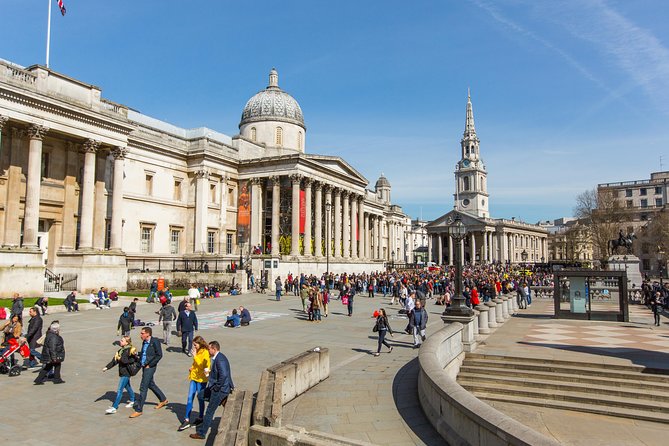
- Wyndham’s Theatre and St Martin-in-the-Fields zone
- How the audio and the app should work in practice (and where it can glitch)
- Thames River cruise: the part that changes the pace
- Real-world crowding, wait times, and traffic delays
- Who this is best for (and who might want a different plan)
- Should you book the London Tootbus bus plus Thames cruise?
- FAQ
- How long is the London Tootbus hop-on hop-off experience?
- How much does the tour cost?
- Is there a mobile ticket option?
- What language is the audio commentary offered in?
- How many different routes can I use?
- Is the Thames River cruise included with the bus ticket?
- Is a restroom available on board the buses?
- Are service animals allowed?
Key points to know before you get on
- Three routes, one pass lets you focus on Westminster, the City/Tower area, or the West End and beyond without babysitting a fixed schedule
- App-based bus tracking helps you find the closest stop and time your return
- Double-decker views work well for first-timers who want big-picture panoramas without sprinting between stops
- Audio for adults and kids keeps the onboard commentary simple and portable, though sync issues can happen in busy moments
- Thames cruise adds variety so your London day isn’t only spent on streets and traffic
Price and what you really get from the $53.74 pass
At about $53.74 per person for a bus-and-cruise day, the value is all about what you combine. You’re not paying for one short ride past a few famous spots. You’re paying for a hop-on hop-off bus pass across multiple routes plus a Thames River hop-on hop-off cruise ticket valid for the same period.
That matters because London is a city where the “best” plan depends on your day. If you want a quick hits day, you can stay on the bus for a full circuit and hop off only when something grabs you. If you’re more museum-leaning, you can hop off near landmarks, explore on foot, then come back later using the app to reduce waiting.
Is it the cheapest way to see London? No. But for a first-time trip or a tight schedule, it can be one of the easiest ways to avoid decision fatigue and still tick off the key skyline moments: Westminster, St Paul’s area, the Tower Bridge zone, and the river.
You can also read our reviews of more boat tours in London



Where the buses start: easy-to-find locations near major landmarks
Your pass is redeemable by hopping on at designated stops across central London. A few of the start points and anchor stops in the system include:
- Coventry Street (in front of Shake Shack) as a prominent starting area
- Pall Mall East and Whitehall stops that sit right in the Westminster orbit
- London Eye / Westminster Bridge Road for the classic river view angle from the road
- Waterloo Station for a major transport hub and strong sightseeing base
- Covent Garden and St Paul’s Cathedral for West End + historic London contrast
- Tower Hill and London Bridge for that jump from parliament-and-palaces into the old-city waterfront mood
- Westminster Pier for the handoff point toward the Thames cruise experience
One practical detail: stop names don’t always match what you’d expect on a map, and some stops can be poorly signed. I’d treat the app as your primary guide and the stop name as a secondary clue, not the other way around.
Route strategy: how to choose among the three circuits
This is a hop-on hop-off system with three distinct routes. You don’t have to commit to one line all day. That flexibility is the point: use one circuit to get your bearings, then switch to another when it helps you reach the next place you want to walk.
Here’s how I’d choose without overthinking it:
1) Westminster-focused riding
If your list includes Big Ben-area views, Parliament, and the royal-gears feel, you’ll want to spend time around Whitehall, Westminster Station, and stops near Horse Guards Parade. This circuit also lines up nicely with river-adjacent sightseeing.
Why it works: Westminster sights are tightly grouped, so hopping on/off is efficient rather than exhausting.
Possible drawback: this area can be busy and traffic can slow buses, so build in buffer time if your next stop is timed.
2) City and Tower area riding
If you want the skyline and the dramatic contrast of financial London next to historic stone, aim for stops around St Paul’s Cathedral, London Bridge, Tooley Street, and Tower Hill.
Why it works: you can pair views from above-street angles with quick walks to river paths and bridges.
Possible drawback: during peak periods, you may find some buses crowded, which makes seeing details harder from the top deck.




3) West End, Kensington, and museum-to-palace sprawl
If your day stretches beyond Westminster into shopping and parks, your route will catch stops like Buckingham Palace, Hyde Park (Queen Elizabeth Gate), Harrods, Kensington Palace, and Notting Hill Gate, plus transport hubs like Paddington Station, Victoria Station, and Russell Square / British Museum.
Why it works: this is where the pass becomes a convenience machine. You can hop off near a museum, shop strip, or neighborhood, then return when it’s time to keep going.
Possible drawback: spread-out stops can mean more walking than you expect when you’re moving between off-bus destinations.
Stop-by-stop: what each landmark zone is good for (and what to watch)
Instead of treating every stop like a must-see, think in zones. Here’s how the major stops stack up for planning.
Coventry Street (in front of Shake Shack)
A strong start if you want to get going quickly without hunting around. It’s also a convenient landmark for meeting up if you’re with family.
Tip: if you arrive early, grab a seat upstairs before you board if that matters to you. If you arrive late, you may end up stuck below.
Pall Mall East and Whitehall
These stops put you near the high-attention government-and-ceremony stretch. It’s a great place to do a first bus loop so you visually connect street names with the monuments.
Watch for: traffic and crowding. If audio feels jumpy during a slow stretch, it’s usually not your fault.
Parliament Street and Westminster Station area
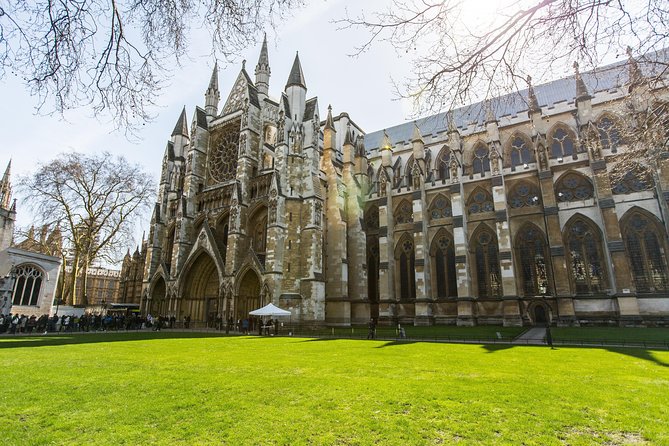
This is classic London postcard territory. It’s ideal for snapping views and then hopping off to explore on foot.
What to watch for: the best photo angles change fast when buses move and stop, so keep an eye on the windows and don’t wait for perfect light from the road.
Westminster Bridge Road and the London Eye
You’ll see the London Eye area from the bus route, which is useful even if you don’t plan to ride it.
Tip: use this stop if you want an easy waypoint before continuing toward central river sights.
Waterloo Station
A transport hub stop that’s smart if you want to anchor your route near major transit. Waterloo also works well for lunch breaks in the surrounding area.
Watch for: the bus boarding area can be chaotic. Have your ticket ready on your phone so you don’t hold up the line.
Covent Garden (near Aldwych/Covent Garden stop area)
This stop is practical. It’s good for grabbing snacks, people-watching, or a quick stroll off the bus.
If you hop off here: plan to return to the stop within a reasonable window. Otherwise you risk spending more time waiting than sightseeing.
Ludgate Hill to St Paul’s Cathedral
This zone is where London shifts from government and retail into big-city icons. St Paul’s is a natural “hop-off” magnet.
Watch for: getting a clear top-deck view can be tricky if crowds climb in at busy stops.
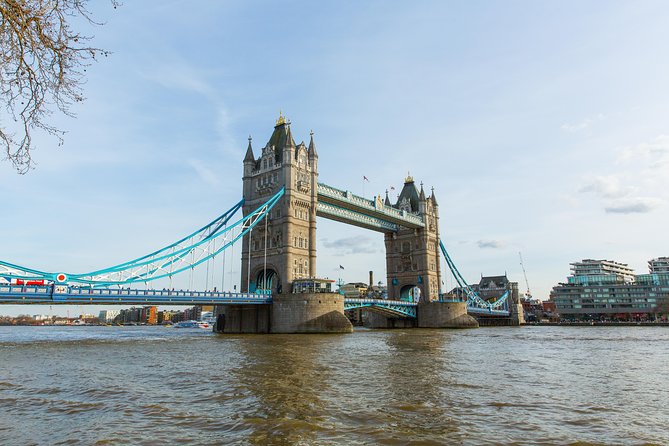
London Bridge, Tooley Street, and Tower Hill
This stretch is built for dramatic waterfront views. It’s the zone where the river feels close, even from the street.
Great use: hop off, take in the bridge angles, then reboard to continue without committing to a long walk.
Temple and Westminster Pier
Temple-area stops can be a nice reset point, especially if you want calmer streets than the busiest core blocks.
And Westminster Pier is key because it feeds into the Thames cruise experience. If you can time it right, the transition from street views to water views feels like the natural climax of the day.
Buckingham Palace, Horseferry Road, and Westminster-adjacent stops
These stops help you hit royal icons without building an entire itinerary around one single location.
Watch for: crowds near the palace area can slow getting on and off. If you want a calmer experience, consider hopping off slightly earlier or later than the busiest moment.
Hyde Park (Queen Elizabeth Gate), Harrods, Kensington Palace, Notting Hill Gate
This is where the pass becomes about neighborhoods and variety. The bus helps you cover a lot of ground across parks, shopping, and the grand “this looks like a movie” streets.
Possible drawback: views can be partially blocked by urban density or people on the deck. I’d focus on enjoying the scenery rather than expecting every glance to be postcard-perfect.
Bayswater Road (Hilton/Thistle area) and padding hubs (Paddington Station)
Stops here help you connect hotel-heavy neighborhoods with central landmarks. If your trip includes transit, this is useful.
Tip: if you’re using other rail or tube plans that day, build these stops into your mental map.
Oxford Street, Marble Arch, and Victoria Station
This cluster supports a straightforward West End day. It’s where shopping and connections are strongest.
Watch for: this part of London can feel slow because of pedestrian volume. If you’re aiming for quick hop-offs, keep it simple.
Russell Square, Euston Station, King’s Cross / St Pancras area, British Museum
These stops give you access to some of the city’s most well-known central destinations, especially if your day includes museums or transit.
Practical note: if you’re museum-first, don’t overpack your next stop. Hoping back on with no time cushion can lead to stress.
Wyndham’s Theatre and St Martin-in-the-Fields zone
These are helpful if your day ends with something in the theatre/cultural corridor. It also gives you an easy anchor for returning to central lodging areas.
How the audio and the app should work in practice (and where it can glitch)
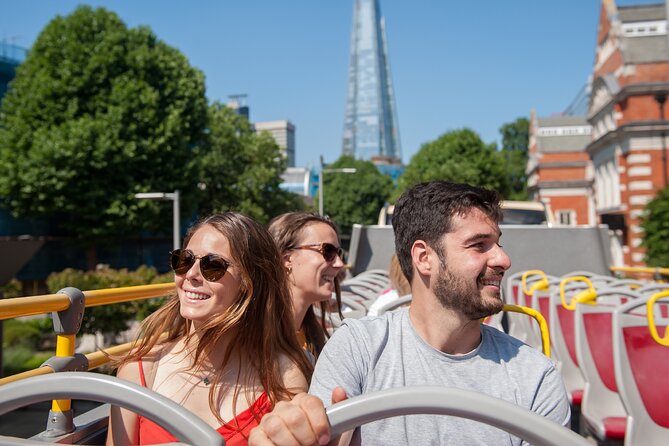
The tour includes adult audio commentary and bespoke children’s audio-commentary, delivered through a mobile setup. You also get the Tootbus app for real-time tracking and finding the closest stop.
Here’s how to make it work smoothly:
- Queue your ticket and headphones before boarding, so you’re not fumbling at the door
- Use the app for timing, not just as a novelty map
- If the commentary feels off, treat it as a guide, not GPS
Some travelers report that commentary can be repetitive or that parts of the audio go missing. Others mention syncing issues where audio doesn’t match the exact sight as the bus moves. That’s not unusual in a city where traffic can stretch or compress timing. The fix is simple: keep your eyes up for the visible landmarks, then use the audio for context rather than strict second-by-second accuracy.
On the guide side, I’ve seen praise for staff like Leon, who kept things clear and added humor. If you get a driver/guide moment where they’re friendly and responsive, it can seriously improve the onboard feel.
Thames River cruise: the part that changes the pace
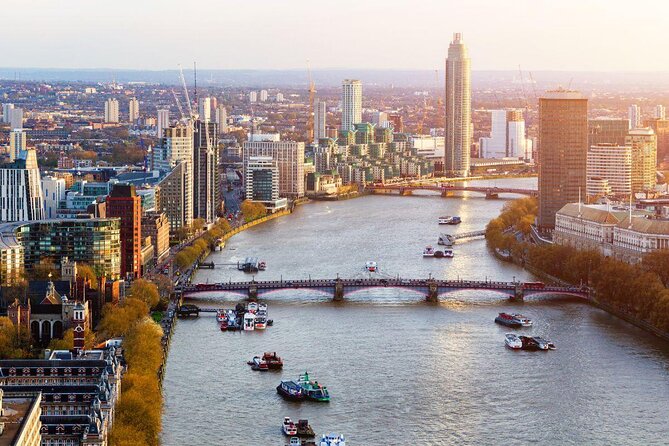
The included Thames cruise is hop-on hop-off, and it’s valid for the same period as your bus ticket. Even without a detailed schedule provided here, the value is clear: it breaks up your day, lets you rest, and gives you water-level perspectives of central landmarks.
Why it’s worth pairing:
- Bus views can be angled and blocked by street-level buildings
- On the Thames, big monuments look more connected to each other
- The cruise commentary, when offered clearly, can turn a ride into a story
Some experiences highlight entertaining boat commentary and an emphasis on speaking slowly and clearly, which matters if you’re not used to a particular accent or you just want the information to land.
If you’re short on time: plan to at least do one meaningful cruise segment rather than treating it as optional scenery. It’s often the best memory-maker of the combined ticket.
Real-world crowding, wait times, and traffic delays

Hop-on hop-off tours are only as good as their ability to keep moving. The reviews data you’re working with points to a pattern you should plan around:
- In many cases, buses can be fairly regular and the staff helpful
- In other cases, you can hit long gaps at certain stops
- Traffic jams and public events can disrupt service, which can also throw off audio timing and overall flow
So here’s my no-drama advice:
- Don’t schedule a timed reservation right after your expected reboarding window
- If one bus doesn’t show up promptly at your chosen stop, check your backup options and consider walking a short distance to another nearby stop if the app confirms none are arriving soon
- When possible, avoid only boarding from the most crowded stops at peak moments
Also, the stop-signing experience can vary. Some people report that stop names don’t match what they expected or that stops aren’t announced by number. If you’ve ever sworn at a confusing transit system in London, you know the feeling. Use the app, and keep your patience dialed up.
Who this is best for (and who might want a different plan)
This tour is a strong fit if you:
- Want to avoid getting lost and cover a lot of ground faster than walking
- Are doing a first-time London trip with a short time window
- Like the idea of deciding your own pace as you go
- Want that street-to-river combo with the Thames cruise
It may be less ideal if you:
- Need perfectly synchronized, moment-to-moment narration (audio timing can be affected by traffic)
- Are sensitive to long waits and prefer systems with tight, predictable headways
- Hate crowds around major hubs and royal landmarks
If you’re traveling with kids, the included children’s audio commentary is a practical perk. And if you’re a solo traveler or a couple, the app tracking can make the whole day feel easier and less stressful.
Should you book the London Tootbus bus plus Thames cruise?
If your goal is maximum sights with minimum planning, I’d book it. The combination of hop-on hop-off buses across key London zones plus a Thames cruise ticket is the kind of value that works especially well on a first trip.
Book it if:
- You want flexibility to hop off for photos, parks, and museums, then return
- You plan to use the app for stop tracking
- You’re happy treating the audio as context, not a strict script
Skip it or shop around if:
- Your day is packed with tight reservations right after key rides
- You’re expecting a perfectly consistent schedule and zero crowding
- You absolutely need facilities like restrooms on board (this one doesn’t include that)
FAQ
How long is the London Tootbus hop-on hop-off experience?
The bus portion is listed as about 2 hours approximately.
How much does the tour cost?
The price shown is $53.74 per person.
Is there a mobile ticket option?
Yes. The tour uses a mobile ticket.
What language is the audio commentary offered in?
The audio commentary is offered in English.
How many different routes can I use?
Your pass lets you use three distinct routes.
Is the Thames River cruise included with the bus ticket?
Yes. A hop-on hop-off Thames River cruise ticket is included, and it’s valid for the same period as your bus ticket.
Is a restroom available on board the buses?
No. Restroom on board is not included.
Are service animals allowed?
Yes. Service animals are allowed.
If you tell me which days of the week you’re going and what your “must-see” list is (Westminster vs Tower vs museums vs palaces), I can suggest a smart way to divide your day between the bus routes and the Thames cruise.