REVIEW · PARIS
Seine River Cruise and Paris Canals Tour
Book on Viator →Operated by Paris Canal · Bookable on Viator
Paris from the water, but not the usual way. This two-part boat ride pairs the Seine with the Canal Saint-Martin, and the live onboard commentary gives real context as you glide past major landmarks. I especially liked how the route goes where most Seine cruises skip, turning the “just sightseeing” feeling into something more memorable.
One thing to plan for: sound quality and the pace can vary. If you end up seated farther inside the boat, the guide can be harder to hear, and the canal section involves a long string of locks and tunnels that may feel like too much if you only want skyline views.
Also note the finish point: this is one-way, ending near Orsay or near Villette depending on your departure time. That’s not a deal-breaker, but it does mean you’ll want a plan for getting back to your hotel or the rest of your day.
In This Review
- Key Things to Know Before You Go
- Seine and Canal Saint-Martin: A Two-Waterway Ride at a Value Price
- Where You Board Near Musée d’Orsay or Villette Basin
- Seine Portion: Louvre and Notre-Dame Views From the Water
- Entering Canal Saint-Martin: Napoleon-Era Engineering in Plain Sight
- Through the Place de la Bastille Tunnel: The Most Different Part of the Trip
- Best Viewing Tactics: Deck Time, Front-of-Boat Energy, and When to Sit Inside
- The Guide and the On-Boat Commentary: What You’ll Get (and What Can Go Wrong)
- Time on the Canal vs. Time on the Seine
- How the One-Way Finish Affects Your Plans
- Who Should Book This Tour, and Who Might Prefer Something Else
- Should You Book This Seine and Canal Saint-Martin Tour?
- FAQ
- How long is the Seine River and Paris Canals tour?
- What does the ticket price include?
- Where does the tour depart from?
- Where does the cruise end?
- Is this a round-trip tour that returns to the starting point?
- Is the tour offered in English?
- What happens if weather is bad or the tour is canceled?
Key Things to Know Before You Go
- Canal Saint-Martin is the star: The boat enters a working canal system most tours miss
- Live onboard storytelling: You’ll hear background as you pass landmarks on the Seine and canal
- Locks, footbridges, and liftbridge moments: Expect repeated engineering highlights rather than only open-water views
- Dim tunnel under Place de la Bastille: This is the most “different Paris” section of the trip
- Inside cabin or outside deck seating: Choose where you can best see and hear
Seine and Canal Saint-Martin: A Two-Waterway Ride at a Value Price
At about $28.84 per person for roughly 2 hours 30 minutes, this is priced like a classic Seine cruise, but you’re getting more than one setting. You’re not just floating past the big postcard views. You also move into the older, narrower canal network where the city’s history shows up as locks, footbridges, and changing water levels.
That combination matters because Paris is often experienced in two extremes: either river viewpoints packed with tourist boats, or separate “neighborhood walks” that never connect to the canal story. This tour knits those ideas together in one flowing timeline. You see the formal monuments on the Seine, then you shift into a working canal atmosphere that feels more local and less staged.
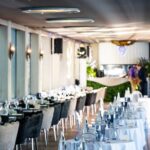
You’ll board with a mobile ticket and choose between inside cabin seating or an outside deck. That choice affects your comfort and your ability to hear the guide, especially once you enter the tunnel segments and the boat slows for the lock routine.
You can also read our reviews of more boat tours in Paris

Where You Board Near Musée d’Orsay or Villette Basin
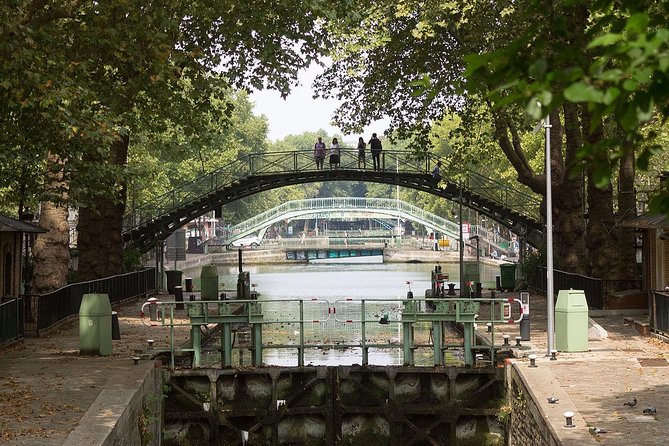
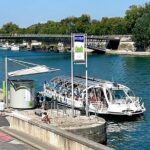
The tour has morning and afternoon departures, and your start point changes based on which one you pick. You’ll make your way to a departure area near the Musée d’Orsay for one timing option, and near the Villette Basin (Cité des Sciences area) for the other.
Why that matters: it affects your first walking segment and it affects what’s convenient after the cruise ends. Some people are fine with an end point that’s different from where they started. Others want tight round-trip logistics.
In practice, you should expect the cruise to begin near major sights but still require a short walk to the dock. One practical lesson from past visitors: have your confirmation details ready and don’t assume the meeting point will be obvious from a distance.
Seine Portion: Louvre and Notre-Dame Views From the Water
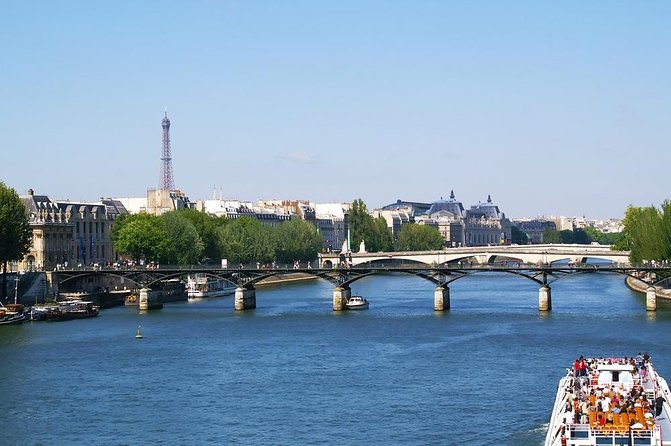
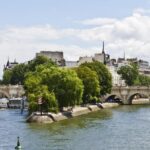
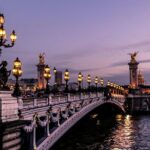
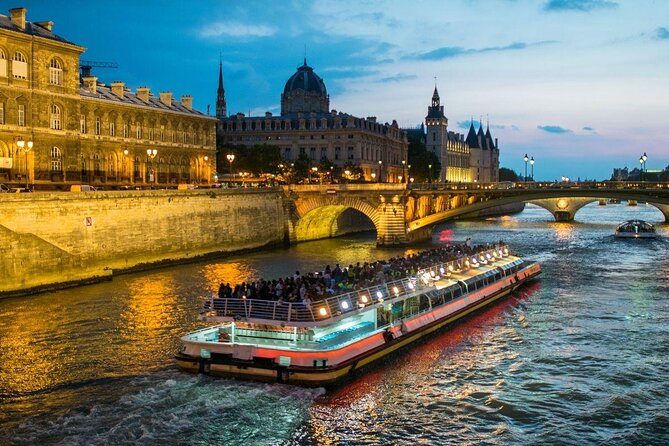
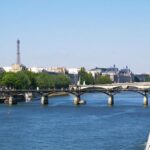
As the boat heads along the Seine, you get the classic “Paris from the water” perspective. You’ll pass major sights such as the Louvre and Notre-Dame Cathedral, with the city’s landmarks sliding by at a relaxed pace.
This part is especially good if you want an easy introduction. Even if you already walked around Paris before, it’s a different angle. On the Seine, you’re close enough to feel the scale of the monuments, but far enough out that the cruise feels calm rather than exhausting.
If you’re the type who likes photos, this is where you’ll likely spend the most deck time. One small tip: when the lighting looks best for your camera, don’t wait for the “next moment.” Step out to the deck quickly when your window opens, then return to the inside cabin if you need warmth.
Entering Canal Saint-Martin: Napoleon-Era Engineering in Plain Sight
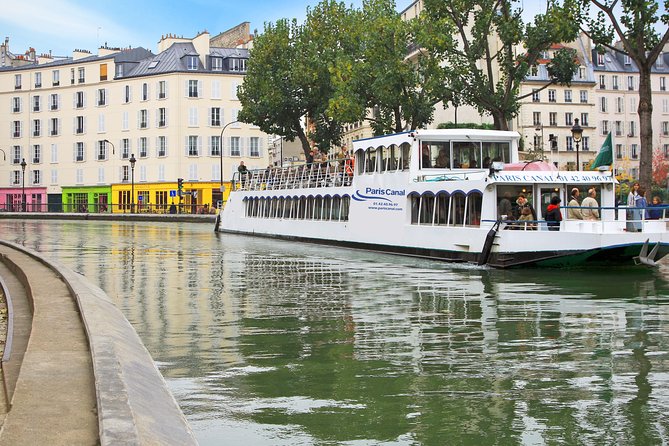
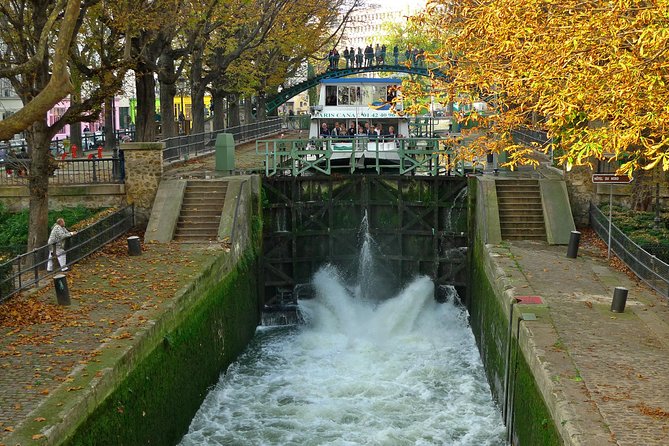
The real curveball starts when the boat heads toward the Canal Saint-Martin. The canal section is narrower and more intimate than the Seine, and it’s built as a historic waterway system dating to the early 1800s, with direction credited to Napoleon.
Instead of treating the canal as a scenic detour, the cruise makes it the main event. You’ll go through locks and pass footbridges, with some “stop-and-go” moments where the boat adjusts to changing water levels. For anyone who likes how cities actually function, this is the payoff. You’re not just seeing Paris. You’re seeing how water movement shapes the city.
One reviewer detail that helps you plan: several people found the lock sequence fascinating, even if it also makes the middle feel long. If you enjoy systems—how things work, how levels change, why bridges and tunnels are where they are—you’ll likely have a great time here. If you want only nonstop movement and skyline views, it may feel like slower travel than you expected.
Through the Place de la Bastille Tunnel: The Most Different Part of the Trip
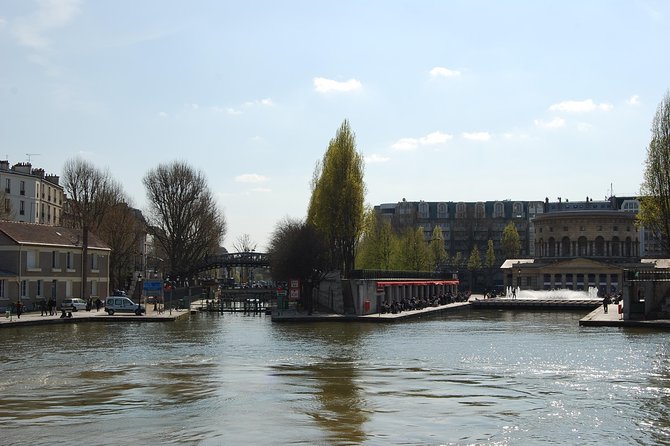
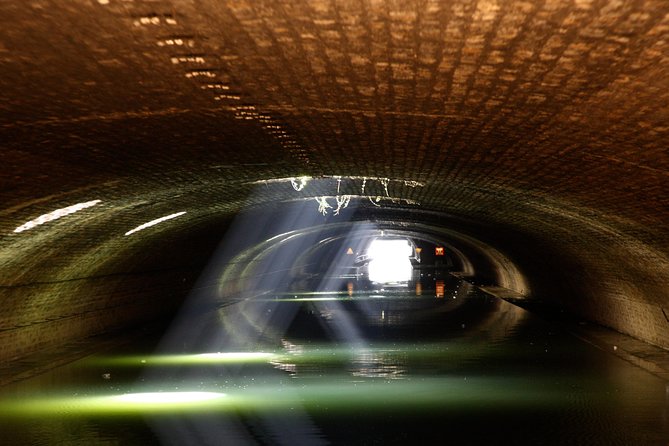
Soon after entering the canal network, you’ll experience the dimly lit tunnel under Place de la Bastille. This is a standout section because the mood shifts fast. The contrast between daylight on the canal and the enclosed passage makes the city feel more layered.
As the boat moves through, you’ll also get the story behind why this system exists and how older neighborhoods developed around it. When you come out of the tunnel, you get that watery boulevard feeling—romantic, yes, but also oddly practical because the canal is still doing its job.
A real planning note: during tunnel time, sound can feel different. If you’re sensitive to audio clarity, you’ll want to position yourself where you can best hear the guide when the boat exits the darker sections. Some seats make it easier than others, and it’s worth paying attention early in the cruise.



Best Viewing Tactics: Deck Time, Front-of-Boat Energy, and When to Sit Inside
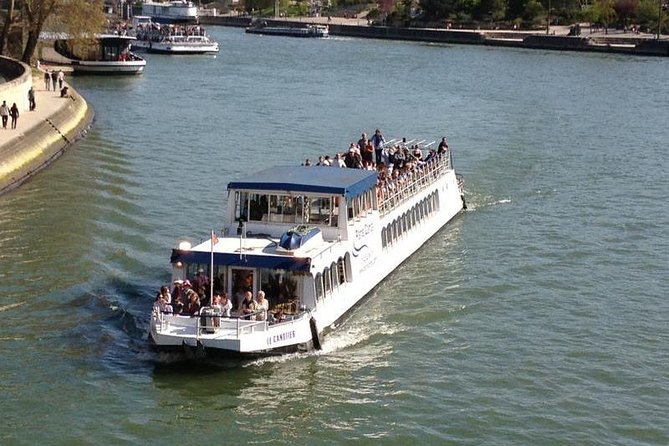
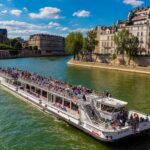
You can choose an outside deck or an inside cabin, and both can be good depending on weather and noise. On a clear day, the deck is where you’ll feel the wind and see more directly across the water. When it’s cold, rainy, or you just want steady comfort, the cabin helps.
The biggest viewing tip is also the simplest: when you want the “up close” lock moments, move toward the front of the boat if you can. One of the strongest pieces of feedback from past guests was the idea that the closest lock experience happens at the front area, where you’re nearer to what the boat is doing as it passes the lock system.
For hearing the guide, aim for the spot where you can actually catch the words over the engine noise. Some people reported commentary was not always audible, especially for inside seating. If you care about the story as much as the scenery, treat the first 15 minutes like a test run. If you can’t hear well, adjust.
The Guide and the On-Boat Commentary: What You’ll Get (and What Can Go Wrong)
This tour is built around live onboard commentary in English. That’s a big deal because the canal system can feel like “just waterworks” if you don’t have a human voice framing it. Hearing the background while you pass the sites turns the ride into a walking tour you never have to stand through.
Some standout feedback includes mention of a guide named Lea, described as very clear and engaging. Others highlighted that the guide explained the lock system and the history tied to the areas you’re passing.
The potential problem is audio clarity. A few people said the guide was hard to hear from their seats, and that the middle of the canal portion includes enough slowdown that you can’t always rely on sound carrying. If you know you struggle with hearing in outdoor/engine environments, choose your seat thoughtfully and consider staying on deck when the boat is moving at a steady pace.
Time on the Canal vs. Time on the Seine
This is not a pure “Seine skyline” cruise. It’s a Seine plus Canal Saint-Martin experience, and the canal segment tends to dominate the feel of the trip because of the lock and tunnel sequence. For many people, that’s exactly what they wanted: the canal is new, it’s hands-on, and it feels less like a rerun of the same riverside photos.
At the same time, a smaller number of visitors found the lock timing too long and the experience slower than they expected. This is the main reason you should calibrate your expectations. If your top priority is continuous views of the Eiffel Tower area and the biggest monuments, you might find this feels more technical and less open-water.
If your goal is to see parts of Paris most visitors don’t take time to notice, the trade-off is worth it. You get engineering, tunnels, footbridges, and neighborhoods that feel more authentic than the usual river loop.
How the One-Way Finish Affects Your Plans
Your cruise ends at different points depending on your chosen departure time: either near Port de Solférino (near the Orsay area) or near Parc de la Villette. That’s part of why the experience works; you’re not just bouncing back and repeating the same water route.
For planning your day, treat the end point as a transit decision. If you finish near Orsay, you’re well-positioned for museums and central neighborhoods. If you finish near Villette, you’re closer to the northern side of the city and the energy around the science and park area.
One practical lesson from past guests: plan for getting yourself back to your original starting area if that’s where your hotel is. The tour doesn’t “reset” you to the first dock.
Who Should Book This Tour, and Who Might Prefer Something Else
This is a great fit if you want:
- More than a typical Seine cruise and you’re curious about Paris beyond the riverfront photo line
- A guided explanation while you see major sites and then transition into the canal system
- Comfortable sightseeing with inside and outside seating options
It’s also a good choice for groups with mixed ages. The boat experience is relaxed, and the canal engineering gives everyone something to watch without needing a long walk. A couple of reviewers specifically liked how it worked for intergenerational groups, with enough space to move and find viewpoints.
If you’re someone who gets impatient with slow sequences, or if you’re mainly chasing nonstop monument views, you may want to think hard. The locks and tunnel segments take time. You’ll spend a larger chunk of the tour in the canal system than on the open Seine.
Should You Book This Seine and Canal Saint-Martin Tour?
I’d book it if your idea of value is combining two different “Paris by water” experiences into one outing: iconic monuments on the Seine plus the canal system with locks, tunnels, and bridge moments. At this price point, the live commentary is a big part of what makes it feel worth it, especially for first-timers who haven’t connected the city’s waterways to its history.
I’d hesitate only if your top priority is a fast, skyline-heavy cruise with minimal slowdowns. This one is built around the canal’s technical rhythm. If that sounds fun to you, you’ll probably have a standout day. If not, you may prefer a more straightforward river-only route.
FAQ
How long is the Seine River and Paris Canals tour?
It runs about 2 hours 30 minutes (approx.).
What does the ticket price include?
The tour includes the boat cruise and live onboard commentary. Food and drinks are not included unless specified.
Where does the tour depart from?
Departures are near Musée d’Orsay for one timing option, or near the Villette Basin for the other.
Where does the cruise end?
The cruise ends near Port de Solférino (near Orsay) or near Parc de la Villette, depending on your departure time.
Is this a round-trip tour that returns to the starting point?
No. It’s a one-way experience that concludes at the end point near Orsay or Villette, not back at the original dock.
Is the tour offered in English?
Yes. The tour is offered in English, and you’ll have live commentary during the cruise.
What happens if weather is bad or the tour is canceled?
The experience requires good weather. If it’s canceled due to poor weather, you’ll be offered a different date or a full refund.