REVIEW · WARSAW
Warsaw: Vistula River Cruise with Your Music & City Views
Book on Viator →Operated by Rejsowisko · Bookable on Viator
A city cruise, but make it personal. You get a short ride on the Vistula with super audio and the chance for each person to play two favorite songs, so the boat feels more like a moving hangout than a silent sightseeing line. What really sells it is how Warsaw’s landmarks show up in quick, punchy “look left, then look right” moments from the water.
I also like the practical side: life jackets are included in the right sizes, and the crew sets you up so you can focus on the scenery instead of fussing with gear. The route mixes iconic backdrops with story-worthy details, so the time goes fast in the best way.
One thing to consider: this is a 55-minute cruise, so you’ll be seeing a lot of sights without getting long, in-depth time at any single location. It’s perfect for quick orientation, not for deep study.
In This Review
- Key Highlights at a Glance
- On the Water in Warsaw: Why This Cruise Feels Different
- Booking Value: What You’re Paying For (and What You’re Not)
- Getting Onboard at Rejsowisko: The Setup That Makes It Easy
- The Vistula Corridor: Natura 2000 Means You’re Not Just Sightseeing
- Stop by Stop: What You’ll See and Why It Matters
- National Stadium: A Sports Chameleon
- The Sandbox Beach: More Local Than Performative
- War-Surviving Bridge Energy: Rebuilt, Reborn
- The Mermaid: 14th-Century Myth With a Sword
- A Modern Star Bridge: Early 21st Century and Movie-Ready
- Vistula Boulevards: Modern Life Meets Wild Nature
- Copernicus Territory: The Science Feel
- A Museum That Looks Like a Spaceship
- Kierbedź Bridge Pillars Echo: History Hanging in the Air
- The Royal Castle: Waiting Over Warsaw for Centuries
- Old Town Rebuilt: The Lego-Style Resurrection
- The Music Part: Why Your Two Songs Change the Vibe
- Weather, Timing, and How to Dress Like a Pro
- Who This Cruise Fits Best
- A Note on Accessibility and Boarding
- Should You Book This Vistula Cruise?
- FAQ
- How long is the Warsaw Vistula cruise?
- Can I play my own music during the cruise?
- Is a mobile ticket used?
- Are food and drinks included, and can I bring my own?
- Where does the cruise start and end?
- What happens if the weather is poor?
Key Highlights at a Glance
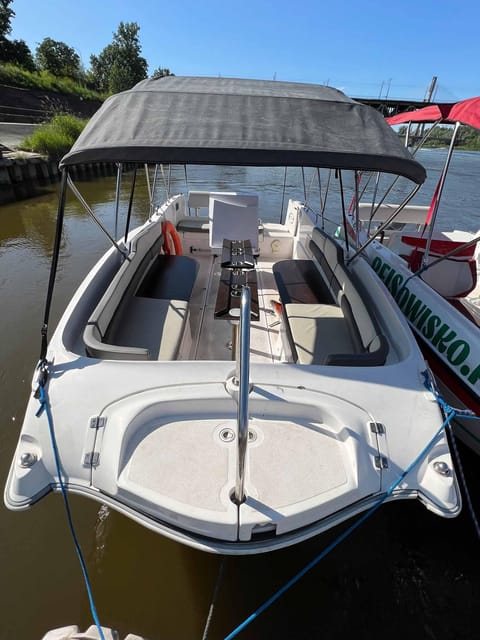
- Your playlist matters: amplified sound lets each passenger play two songs, often with group singing
- Short and efficient: 55 minutes is enough to get strong photo angles and city bearings
- Protected river stretch: the Warsaw Vistula is under Natura 2000, so you’re cruising a protected zone
- Warsaw legends on the water: the Mermaid links you to centuries of local storytelling
- Multiple bridge “characters”: you’ll pass war-scarred and modern spans with very different vibes
- Royal Castle and Old Town views: you’ll get a steady perspective on Warsaw’s rebuilt heart
On the Water in Warsaw: Why This Cruise Feels Different
This isn’t the usual “sit, listen, move on” format. The big twist is the soundtrack. With the onboard amplified system, you can play your own two favorite songs, and it’s set up so everyone can hear clearly enough to sing along if you feel like it. For a 55-minute experience, that turns the cruise into something social and upbeat, not just scenic.
You’ll also find the pacing does a smart job of keeping the sights readable. The river route gives you that classic Warsaw combo: strong landmarks, recognizable bridges, and a sweep toward the Old Town. You’re not stuck facing one direction the whole time. You can watch the banks change as you go, and the angle keeps refreshing your photos.
And even if you’re not a “history every minute” person, the tour’s story texture helps you pay attention. From war-damaged bridges that rose again to the Mermaid legend tied to the Vistula, you get enough context to make the view feel earned.
You can also read our reviews of more boat tours in Warsaw
Booking Value: What You’re Paying For (and What You’re Not)
At $16.72 per person for about 55 minutes, the value is mostly about three things: time, views, and the music system. You’re not paying for a long, expensive day. You’re paying to get a concentrated hit of Warsaw from the river, plus the onboard audio setup that turns the boat into your space.
A couple of practical points matter for budgeting too. Parking fees aren’t included, so if you’re driving you’ll need to handle that separately. The tour itself keeps the rest simple: this is a mobile ticket experience, and it runs out of a specific riverside starting point before ending back there.
If you want a low-cost way to get your bearings fast, this pricing makes sense. If you’re hoping for a long, stop-and-stroll tour, it won’t feel long enough. It’s more like a guided river “preview” of Warsaw than a full day of sightseeing.
Getting Onboard at Rejsowisko: The Setup That Makes It Easy
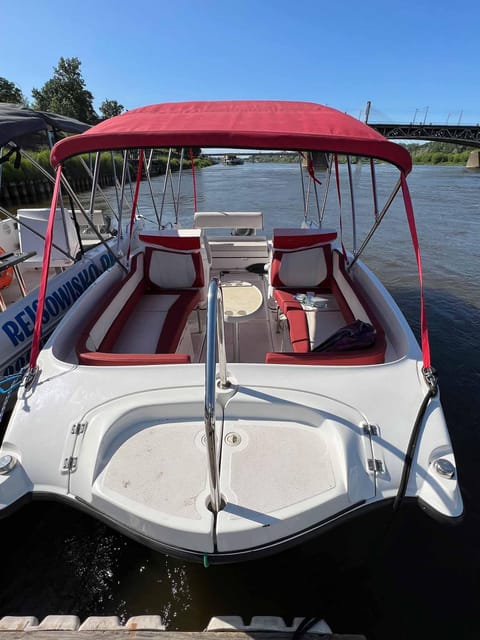
The cruise starts at Rejsowisko at Bulwar Bohdana Grzymały-Siedleckiego, 03-901 Warszawa, and it ends back at the same meeting point. It’s scheduled to begin at 2:00 pm, so it fits nicely as a mid-afternoon activity when you still have daylight for photos.
The group size is small, with a maximum of 9 travelers. That matters more than you might think. Smaller groups tend to feel calmer on a boat, and you’re more likely to have a relaxed, communal vibe—especially because the music part is interactive. You’re not competing with a crowd for space or attention.
You’ll get life jackets in appropriate sizes. That’s a comfort thing, not just a safety box to tick. Also, the tour allows you to bring and consume your own food and drinks, which is helpful if you want to snack while you watch the riverbanks change. Just dress for the weather; the experience requires good conditions and is canceled if weather turns.
The Vistula Corridor: Natura 2000 Means You’re Not Just Sightseeing
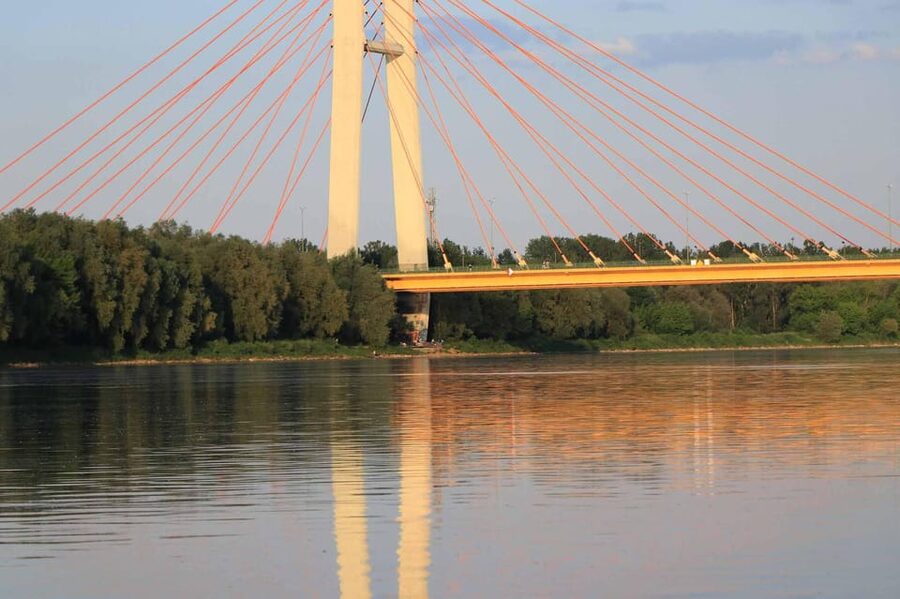
One of my favorite “quiet” details is that the Vistula river stretch in Warsaw is under Natura 2000 protection. In plain terms: wildlife gets VIP treatment here. That can change what you pay attention to while you cruise.
Even if you don’t plan to be a birdspotter, it helps to know the river isn’t just an urban backdrop. You’re gliding through a protected zone, so the natural side of the city is part of the experience, not an afterthought. You might spot feathered or furry locals, depending on the season and conditions, but even when you don’t, the idea makes the water feel more alive.
This also explains why the route feels balanced. It’s not only steel, stone, and architecture. The riverbanks have a “wild-but-controlled” feel at certain points, especially along the areas where modern river life meets more natural growth.
Stop by Stop: What You’ll See and Why It Matters
National Stadium: A Sports Chameleon
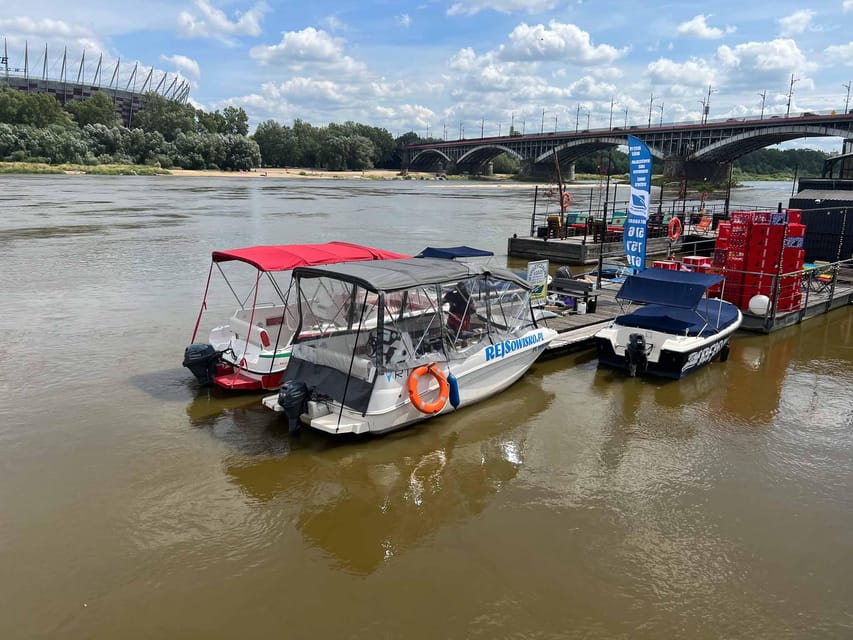
Early on, you’ll get views of the National Stadium, a huge bowl that hosts matches and, in winter, becomes an ice rink. That range matters because Warsaw’s sports culture isn’t trapped in one season. From the water, the stadium reads like a major landmark blob: strong shape, strong presence.
The view works even if you don’t care about the stadium itself. It gives you a clear sense of city scale—Warsaw is big, and the Vistula is one of the ways that scale becomes visible without driving or walking.
A small consideration: stadium details won’t feel like “up close.” You’re seeing it from the river, so think of this as a skyline moment, not a sightseeing ticket to go inside.
The Sandbox Beach: More Local Than Performative
You’ll also pass the “biggest sandbox” in Warsaw, where locals relax like they’re at the seaside. The detail that sticks is that this beach feels real—less about tourist marketing and more about everyday weekend life.
From the boat, you can catch the vibe of the riverfront being used, not just admired. It’s a good reminder that the Vistula isn’t only for monuments. It’s a place people actually spend time.
War-Surviving Bridge Energy: Rebuilt, Reborn
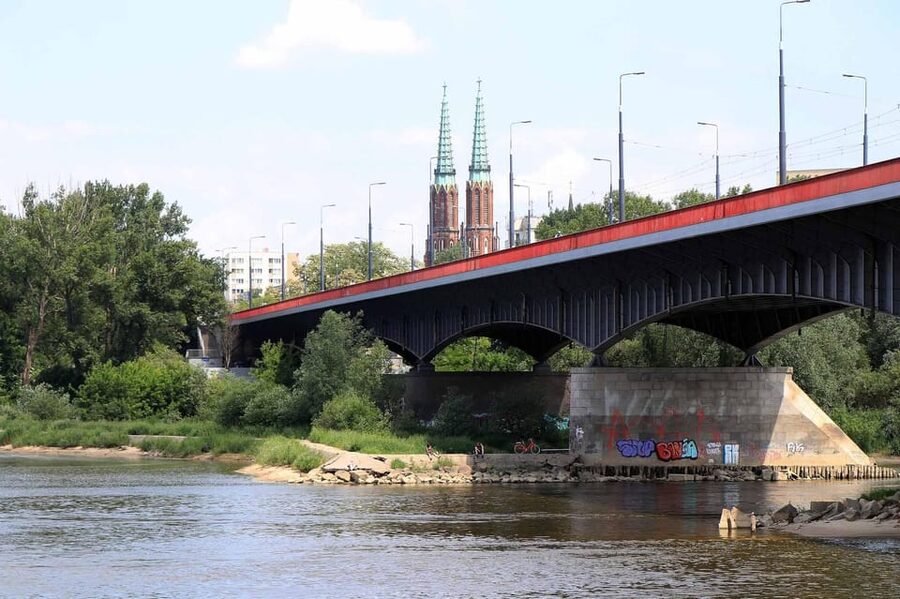
Warsaw has bridges with stories that don’t fade. You’ll see one span described as surviving wars and multiple rebuilds, including a moment when Russians blew it up in 1915, then it returned to its place like a phoenix. From the water, it’s harder to ignore the sense of persistence in the engineering.
This is one of those parts where the storytelling layer helps. When you know a bridge has been destroyed and rebuilt, it stops being just a photo subject. It becomes a symbol of how the city keeps returning.
The Mermaid: 14th-Century Myth With a Sword
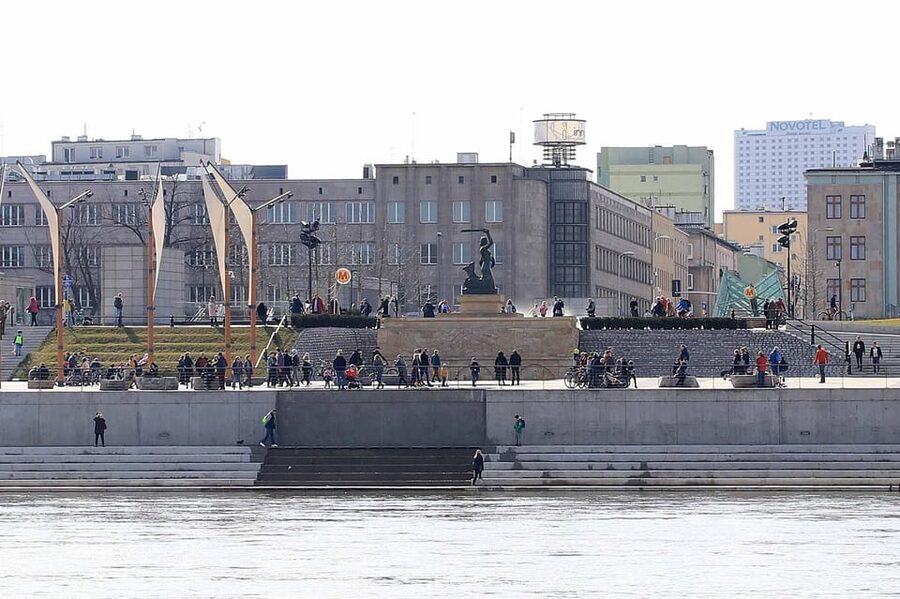
Then comes one of the most memorable icons on the route: the Mermaid, a legend dating back to the 14th century. She’s described as half woman, half fish, and her sword is a reminder that she is not to be messed with—especially with the Vistula.
Even if you’ve never heard of her, you’ll understand why she’s become a local emblem. From the river perspective, she feels like part of the water’s personality. It’s a fun contrast to all the bridges and stone.
Why it’s valuable: myth makes a city feel personal. When you can attach a face and a story to a river landmark, you remember the place faster.
A Modern Star Bridge: Early 21st Century and Movie-Ready
Next you’ll see a bridge built at the beginning of the 21st century connecting the two banks of the Vistula. It’s called out as being featured in many movies, and from the water you’ll get those cinematic angles that make it look like it belongs in a film still.
This section is great for photos because the modern lines often read cleaner from the river. You get a mix of Warsaw “old and rebuilt” energy plus the fresh geometry of a newer span.
Vistula Boulevards: Modern Life Meets Wild Nature
Along the Vistula Boulevards, you’ll see the contrast that makes the river feel human. Modernity sits right next to wild nature, and the tour notes that this area used to be overgrown bushes before it became a lively space.
From the boat, you’re in a rare position: you’re not walking the boulevard, so you’re watching it as a whole. You see patterns in how people use the river edge, how greenery interrupts hard lines, and how the city designed public space without fully sanding off the natural character.
Copernicus Territory: The Science Feel
You’ll pass an area named after Nicolaus Copernicus, the scientist known for moving the Earth and stopping the Sun in terms of worldview. The tour playfully points out his conflict with the Church, and even if you don’t remember the details, the theme comes through: science here isn’t abstract—it’s stamped into the place.
This is another “why it matters” stop. When a city names spaces after thinkers, it signals priorities. It also gives you something to notice: you’re not just seeing architecture. You’re seeing who Warsaw chooses to honor.
A Museum That Looks Like a Spaceship
One stop has a museum that looks like a spaceship, described as a kind of vessel for art and design-led architecture. The angle you’ll get from the water helps you understand the building as object, not just institution.
If you like bold design, this part is worth your attention. You don’t need to know the art to appreciate the shape and the confidence of the structure.
Potential drawback: this is a sight-from-the-boat moment, not a museum visit. If you want to spend time inside, you’ll need to plan that separately.
Kierbedź Bridge Pillars Echo: History Hanging in the Air
You’ll also pass a bridge described as built on the pillars of the destroyed Kierbedź Bridge. That’s a powerful detail because it ties the structure to loss and reconstruction.
From the water, it’s easier to feel how layered the riverfront is. You’re not looking at a single era. You’re looking at a physical record of what stayed, what broke, and what returned.
The Royal Castle: Waiting Over Warsaw for Centuries
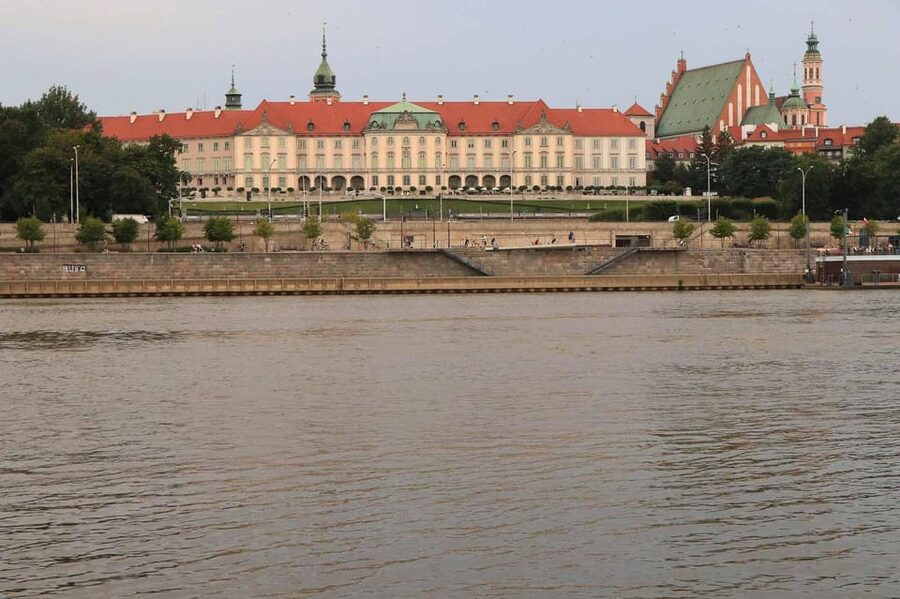
Views of the Royal Castle show why it’s such a core symbol for Warsaw. The tour frames it as a centuries-old presence, once home to kings, and still a key reference point for the city.
From the river, the castle reads as authority and continuity. And the note about crown jewels being inside—though not all of them are original because real ones got lost—adds an honest layer. You get the image without the fake certainty.
Old Town Rebuilt: The Lego-Style Resurrection
Finally, the Old Town comes into view. The tour points out that much of this area was rebuilt after the war, and compares Varsovians to people who can put a city together like LEGO.
That comparison is more than cute. It explains the emotional tone of Old Town: it’s not only pretty. It’s stubborn. It’s the result of rebuilding decisions made by real people, not just preservation by chance.
From the boat, you’ll get a sweeping sense of how bricks and history kept working together through rebuilding cycles.
The Music Part: Why Your Two Songs Change the Vibe
This is the standout feature, and it’s not just a gimmick. Because each passenger can play two favorite songs through the amplified system, your cruise becomes a shared soundtrack. The tour notes that people often sing together, and it’s easy to see why. The audio setup is the difference between “background noise” and “everyone can actually participate.”
One review specifically praised being allowed to play a playlist and said the time was fully used up. That lines up with the structure: the cruise is short, so turning it into something personal makes the most of it.
If you come in with one or two songs you love—something that fits summer on a river or something classic Warsaw-adjacent—you’ll probably feel the whole boat energy shift. I’d treat this as a social choice as much as a sightseeing one.
If you prefer quiet: the music system might not be your thing. The good news is you can choose what you add, and the overall format is still focused on taking in the views.
Weather, Timing, and How to Dress Like a Pro
This experience depends on good weather. If conditions are poor, you’ll be offered another date or a full refund. So I’d plan to dress for real river weather, not just sunshine forecasts.
Since you’ll be on the water for roughly an hour, comfort matters more than you might expect. Bring layers. Wear shoes you can stand in without regret. And if you’re prone to getting chilly, don’t wait until you’re cold to fix it.
The start time at 2:00 pm also means you’ll likely be in the afternoon light range. That’s usually helpful for photos—bright enough for landmarks, but not always as harsh as midday sun.
Who This Cruise Fits Best
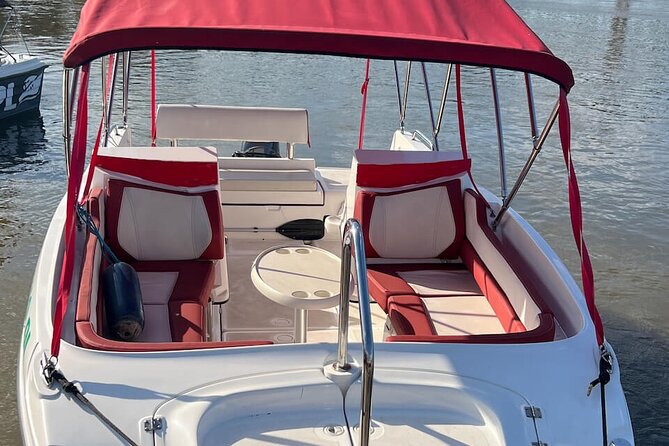
This cruise is ideal if you want:
- A small-group river experience with personal touches
- A quick way to learn the layout of Warsaw from water
- Fun energy without losing the sightseeing angle
- An easy plan that works mid-afternoon
It may not be ideal if you want long stops, museum time, or a walking tour where you can linger at details. This is designed to move, show, and connect stories to the scenery as you pass.
If you’re traveling as a couple, you’ll still feel included. If you’re traveling with friends, the music component is a natural bonding moment. If you’re solo, the system makes it easier to join without feeling singled out.
A Note on Accessibility and Boarding
The tour mentions that elderly individuals or those with mobility impairments may need assistance boarding and disembarking the deck, and the provider is happy to help. That’s important. Boats can be tricky even when they’re well-run, so don’t hesitate to ask for support if you need it.
Should You Book This Vistula Cruise?
If you want a short, memorable Warsaw experience that mixes big landmarks with a personal soundtrack, I think this is a strong booking. The price-to-time ratio is fair, and the audio plus playlist feature is genuinely the kind of detail that makes the ride feel like your trip rather than a scripted tour.
Book it if you’re the type who likes quick orientation and doesn’t need hours at one stop. You’ll leave with a clearer mental map of the city, a handful of high-impact views, and one social story that doesn’t require museum tickets.
Skip it if you need a longer sightseeing schedule or quiet, no-participation touring. This cruise is short, and the music part is part of the format.
FAQ
How long is the Warsaw Vistula cruise?
The cruise runs about 55 minutes.
Can I play my own music during the cruise?
Yes. The onboard super audio system allows every passenger to play two favorite songs.
Is a mobile ticket used?
Yes, you’ll have a mobile ticket.
Are food and drinks included, and can I bring my own?
Food and drinks aren’t specifically included, but you are allowed to bring and consume your own food and drinks.
Where does the cruise start and end?
It starts at Rejsowisko on Bulwar Bohdana Grzymały-Siedleckiego, 03-901 Warszawa, Poland, and ends back at the same meeting point.
What happens if the weather is poor?
The experience requires good weather. If it’s canceled due to poor weather, you’ll be offered a different date or a full refund.