REVIEW · PORTO
Porto Douro River Cruise With Port Wine – Daytime or Sunset
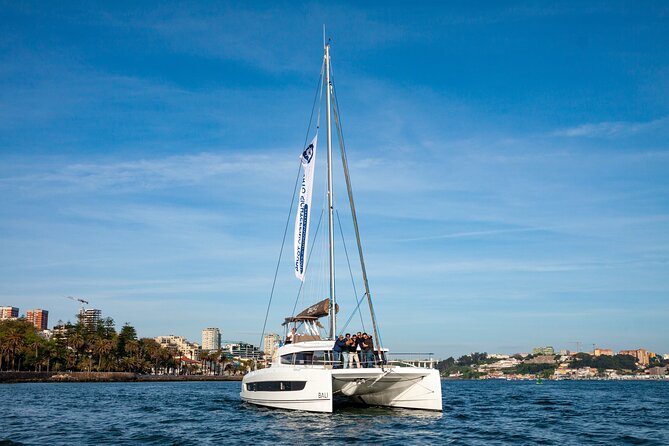
Book on Viator →Operated by BBDouro · Bookable on Viator
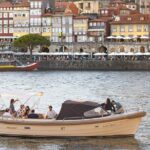
Porto’s waterfront views come fast—on a boat. This 2-hour Douro cruise from Marina da Afurada gives you a guided look at the working river world, from wine cellars and Rabelo boats to major bridges and church towers, plus a glass of port included. I especially like the on-the-water perspective on Porto and Gaia, and I love the simple port-wine moment while you watch the river unfold. One thing to consider: this is weather-dependent, and sunset rides can get chilly once the sun drops.
What makes it work well is that you’re not stuck in Porto’s steep streets—this is your break from walking. The crew’s vibe tends to be friendly and the narration usually lands, even when the day turns gray. My only real caution is logistics: the key is getting to the right marina check-in point at Douro Marina, not the wrong pier.
In This Review
- Key things you should know before you go
- A 2-hour Douro River cruise that changes how you see Porto
- Where you meet and what that means for your timing
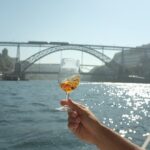
- The included port wine moment (and why it’s timed well)
- Stop-by-stop: what you’ll see from the water
- Douro River views: wine caves, churches, and the old barrel route
- Douro Marina: a modern working edge
- Afurada’s river mouth setting
- Arrábida Bridge: a major engineering landmark
- Tram Museum area: public transport in motion
- Church details you might spot: tiles, towers, and time layers
- New Customs building area: iron, stone, and trade muscle
- Virtudes terraces and Serra do Pilar angles
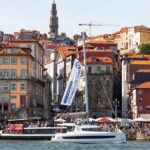
- Torre dos Clérigos and the Porto skyline
- Cais de Gaia and the cellars zone: where port wine becomes real
- Rabelo boats area: a longer taste of the old river work
- Ribeira and Morro garden: medieval streets meeting open water
- Reserva Natural Estuario do Douro: the wildlife side of the route
- Passeio Alegre: where the Douro meets the Atlantic feel
- Daytime vs sunset: what actually changes on the water
- Comfort, crowds, and the small practical stuff that matters
- Who this cruise is best for
- Price and value: what you’re really paying for
- Should you book this Porto Douro River Cruise with port wine?
- FAQ
- How long is the Porto Douro River Cruise?
- Where do I meet for the cruise?
- Is the tour in English?
- What’s included in the price?
- Do I need to bring food or extra drinks?
- What’s the group size limit?
- Is the schedule better for daytime or sunset?
Key things you should know before you go
- You start at Afurada (Gaia) and return to the same place, so plan your day around that marina stop.
- Port wine is included—a proper taste while you’re actually looking at the city and river trade routes.
- Douro Estuary birdlife is a highlight, since this protected area sits in a major migration corridor.
- It’s guided in English with a small-group feel (max 58), and your seating isn’t guaranteed.
- Bring a layer for sunset; blankets can help, but cool air on the water is real.
A 2-hour Douro River cruise that changes how you see Porto
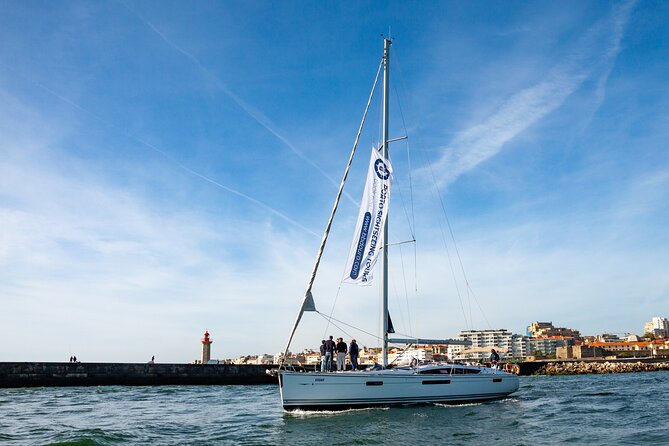
Porto is famous for its angles: stairways, river curves, and those buildings stacked like they’re holding their breath above the water. From land, it can feel like you’re constantly climbing or craning your neck. On this cruise, the river does the work for you. You glide past the city’s icons at a pace that actually lets you take them in.
The sailing part also matters. Even when it’s not a constant full-sail experience, you still get that sense of being on the Douro system—river traffic history, working port geography, and the shoreline that shaped all that wine business. And because you get a port-wine glass during the ride, it’s not just a pretty route. You’re tasting the product that built this place.
This isn’t a long “Douro valley” trip deep into the interior. Instead, it’s a tight, focused sampler of what makes Porto’s river identity so strong—bridges, churches, quay life, and the estuary’s wildlife edge.
You can also read our reviews of more boat tours in Porto
Where you meet and what that means for your timing
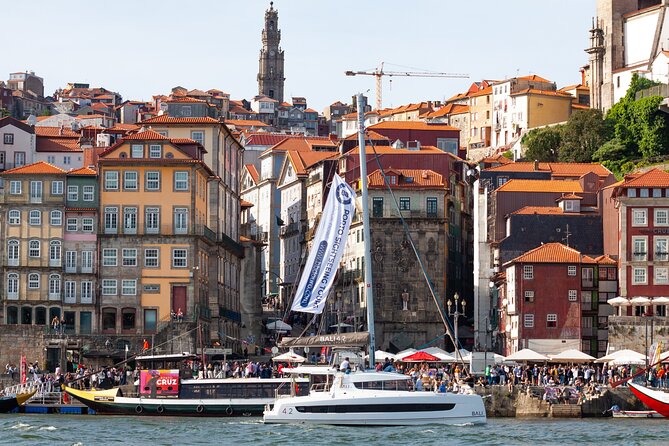
You meet at Marina da Afurada (R. da Praia 430, 4400-554 Vila Nova de Gaia). The tour ends back at the meeting point, so you’re not dealing with a complicated transfer or wondering where to reconnect later.
Here’s the practical part that can make or break your start: your check-in is at Douro Marina, and you should look for pier D gate with skippers identified with BBDouro equipment. One review note also flags that tickets sometimes don’t clearly show Dock D, so arriving early is the smart move.
Also, plan for random distribution on the boat. The group assignment is random and you can’t request specific spots. If you have motion sensitivity, this is worth considering—one passenger noted they expected a larger catamaran but got a smaller boat, and that can affect how much the ride feels.
The included port wine moment (and why it’s timed well)
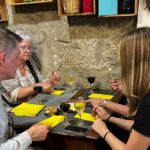
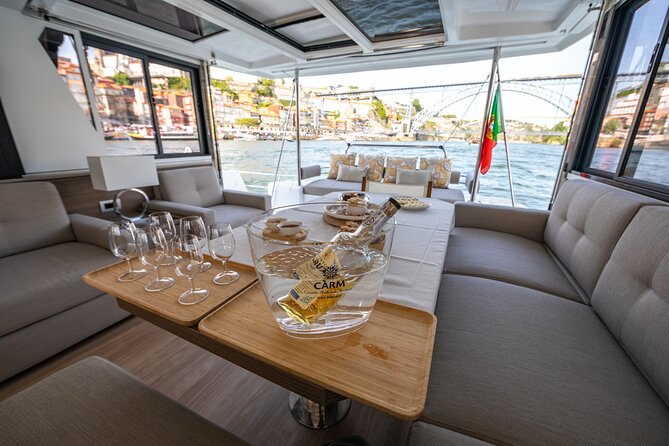
The cruise includes a glass of port wine. This is one of those travel “perks” that actually fits the setting instead of feeling tacked on.
On this route, you’re seeing the same river corridor that carried barrels down to Gaia and then into cellars. When you sip the wine while passing the quay area and the trade-history points, it connects taste to place. You don’t have to imagine the supply chain—you watch the river geography that made it work.
Just remember the obvious: it’s a single glass. This is not a full tasting flight. And food/drinks are not included beyond the port, so if you tend to get hungry, you’ll want to plan a snack before you arrive (and note that outside food/drinks aren’t allowed on shared tours).
Stop-by-stop: what you’ll see from the water
Even though the itinerary lists many cultural stops, on this kind of outing you should think of them as views and narrated landmarks rather than a museum day. The payoff is that you can watch the city unfold from river level.
Douro River views: wine caves, churches, and the old barrel route
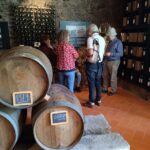
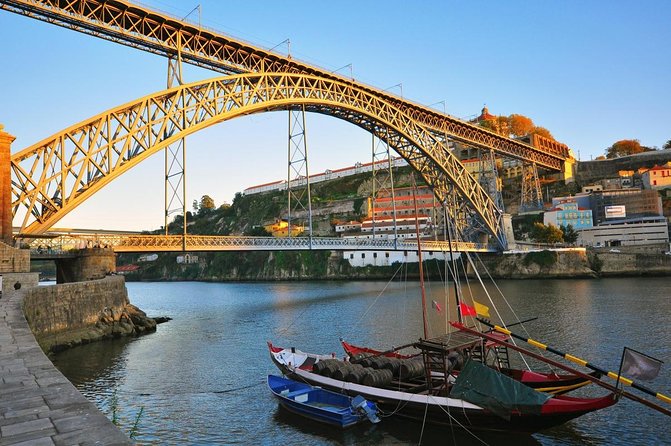
You’ll spend time along the Douro River corridor and look toward emblematic areas tied to Porto’s maritime identity. The big ideas you’ll hear about are the Wine Caves, Rabelo Boats (the vessels that once moved wine barrels downriver), and iconic riverfront areas like Ouro Street and Clérigos Church.
The Douro Estuary protected zone is also part of the story here. It’s not just scenery—this stretch supports wildlife, and the estuary’s position in migration routes is a big reason birds show up.
You can also read our reviews of more wine tours in Porto
Douro Marina: a modern working edge
You’ll also pass by Douro Marina, which opened to the public in 2012. The description emphasizes the investment behind floating equipment and the dock’s capacity for large vessels. Even if you’re not here to tour the marina, it’s a useful contrast: old wine logistics on one side, modern boating infrastructure on the other.
If you like seeing how cities manage water in different eras, this stop adds context fast.
Afurada’s river mouth setting
Centro Interpretativo do Patrimonio da Afurada is tied to the fishing identity of Afurada, a small river-edge community near the mouth. The main takeaway is how tightly this coast is linked to work at the waterline—first fishing, then the broader river economy.
It’s a good reminder that the Douro story isn’t only about tourists and wine brochures. It’s also about people living right where the river meets the sea.
Arrábida Bridge: a major engineering landmark
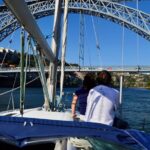
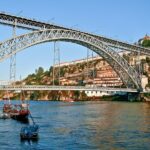
You’ll get views of the Ponte da Arrabida (Arrábida Bridge), an arch bridge linking Porto to Vila Nova de Gaia. The standout detail here is its reinforced concrete arch at the time of construction and its role as one of the later connections built to handle rising traffic between the two cities.
From a boat, bridges feel less like postcards and more like infrastructure—how the city keeps moving while still protecting its historical core.
Tram Museum area: public transport in motion
The cruise includes time linked to Museu do Carro Electrico. The key idea is preserving electric cars and other rail-related transport, housed in a former thermoelectric plant. If you’re into how cities powered daily life, this is a fun thematic connection: today’s mobility versus the systems that shaped Porto’s neighborhoods.
Even if you don’t tour inside, the location ties the riverfront to the wider story of modernization.
Church details you might spot: tiles, towers, and time layers
You’ll pass or view areas connected to Igreja da Confraria das Almas do Corpo Santo de Massarelos. The facade is described as tile-covered, with architectural divisions and a clock between bell towers. On the water, you may not see every detail clearly, but you can still appreciate that Porto isn’t only dramatic from street level—it’s layered at multiple heights.
New Customs building area: iron, stone, and trade muscle
The New Customs building is described as a 19th-century structure designed by French architect Jean Colson, with a clear contrast from the older Ribeira buildings. It’s notable for iron construction mixed with other materials, plus a unique oak roof.
This is one of those stops that makes you connect the dots: wine and cargo needed buildings designed to process value, not just shelter people.
Virtudes terraces and Serra do Pilar angles
You’ll see the views associated with Passeio das Virtudes and its vertical, terrace-style garden design down the slope. From water, those stacked terraces make sense—you understand why people build viewpoints into the city’s geometry.
You’ll also get strong connection points to Miradouro Serra do Pilar and the Serra do Pilar Monastery. The monastery’s circular church plan, hemispherical vault, and balcony ring are the kind of architectural quirks that look even better when you can see the surrounding river and hills.
If the weather is clear, these viewpoints are where the Porto-and-Gaia “two sides of one river” feeling really clicks.
Torre dos Clérigos and the Porto skyline
Torre dos Clérigos (completed in 1763) is one of Porto’s signature vertical landmarks. The tour description also notes it’s been used over time as a navigational orientation point and strategic position. From the river, that makes perfect sense—you’re literally looking at how the skyline guided boats and battles.
Cais de Gaia and the cellars zone: where port wine becomes real
The Vila Nova de Gaia waterfront is tightly linked to port wine. This quay has been a trading and shipyard post for centuries, and the Rabelo boats once anchored here so barrels could be unloaded and aged in Gaia’s cellars.
This is the moment where the port-wine glass feels most grounded. You’re watching the exact type of coastline that fed dozens of wine companies and their export work.
Rabelo boats area: a longer taste of the old river work
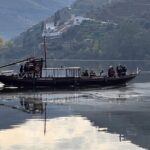
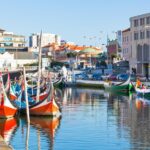
You’ll also spend time at Barcos rabelos—the traditional Douro vessels that transported barrels when roads and rail didn’t reach the vineyards. The descriptions point out why sailing required skilled crews: the Douro had treacherous currents in narrow sections, before dams changed things.
It’s a short historical arc, but it helps you understand why the river culture is so identity-heavy here.
Ribeira and Morro garden: medieval streets meeting open water
You’ll see Praca da Ribeira, part of Porto’s UNESCO World Heritage Historical Center. It’s tied to the riverfront’s medieval commerce and also to a well-known local story about a figure called the Duque.
Nearby, Jardim do Morro and the open-air belvedere add that “pause and look back” feeling. From a cruise, these gardens help you see how Porto’s river edge blends nature, viewpoints, and everyday life.
Reserva Natural Estuario do Douro: the wildlife side of the route
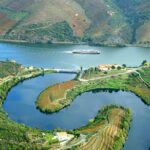
One of the most valuable parts is the Reserva Natural Estuario do Douro. The key details: it covers about 66 hectares, includes Cabedelo and São Paio Bay, and is part of the East Atlantic migration corridor.
From water, your best bet is bird-spotting. The description also says the visit can be made via a suspended walkway—so this area is designed for human viewing without messing up the natural edge too much.
Passeio Alegre: where the Douro meets the Atlantic feel
Finally, you’ll connect to Jardim do Passeio Alegre, a late-19th-century garden designed by Émile David. The big visual idea here is the transition where river waters merge toward the Atlantic Ocean. There’s also a “turtle fountain” designed by Nicolau Nasoni mentioned as part of the garden’s features.
This stop gives your brain closure: the river story ends in open water.
Daytime vs sunset: what actually changes on the water
Both options cover the same core sights. The difference is how your eyes get fed.
Daytime cruises are clearer for spotting details—bridge lines, church towers, and the shape of the shoreline. If you like steady photos and easier visibility, daytime usually wins.
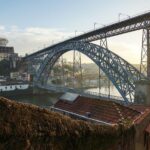
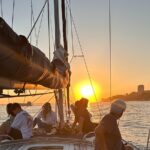
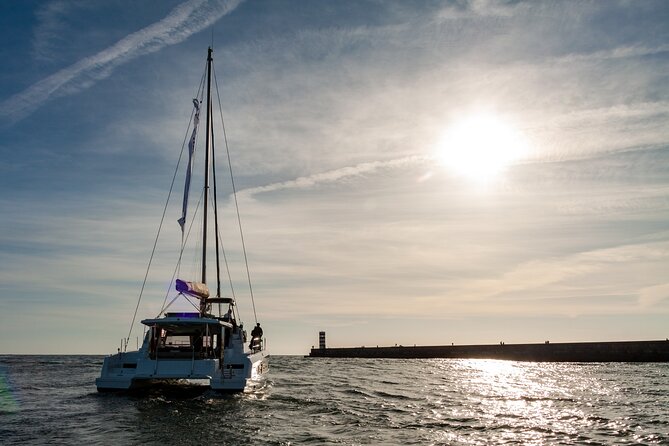
Sunset changes the mood fast. You’ll get that warm light across Porto and Gaia, and the estuary-side views look softer. One review even praises blankets for chilly late-season air, and another notes sails weren’t raised at that time—so the boat relied on motor while staying calm and quiet. Translation for you: expect a peaceful ride even if the wind doesn’t cooperate.
If you run cold, bring a layer even in shoulder season. When the sun drops, the water air doesn’t bargain.
Comfort, crowds, and the small practical stuff that matters
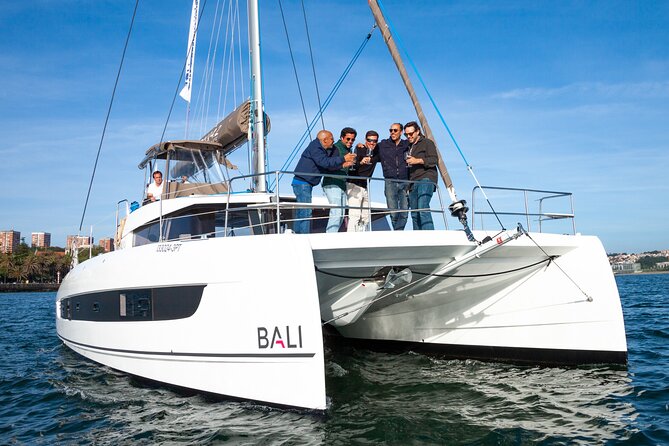
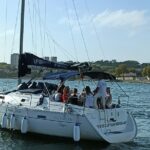
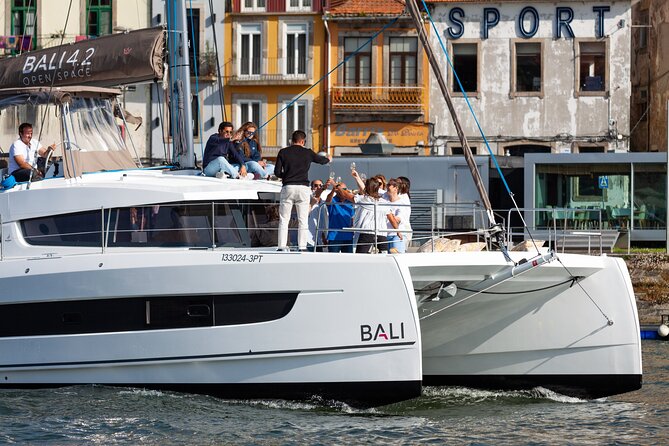
This cruise is limited to a maximum of 58 travelers, and you’re on a sailboat format. That size usually keeps it from feeling like a floating bus. Still, you shouldn’t assume you’ll have a perfect spot near the rail. Seating is random on board.
Also, don’t count on outside snacks. Shared-tour rules don’t allow bringing food or drinks from outside, and the crew can stop you from entering with them.
What about motion and sailing? If you’re prone to motion sickness, consider two things:
- The boat assignment can vary (one review noted a smaller vessel than expected).
- A ride may be mostly motor at times, which can help steadiness, but you still feel movement on open water.
If you want the most comfortable experience, arrive rested, hydrate, and keep your eyes on the horizon when possible.
Who this cruise is best for
I’d point you to this trip if you want:
- Porto and Gaia views without the steep-city grind
- a fast, guided way to understand why the wine economy shaped the river
- a short outing that still includes a cultural thread (bridges, churches, customs, tram transport themes)
It also works well for couples, friends, and anyone traveling with limited time. Because it’s only about 2 hours, it’s easier to fit into a day without committing to a full excursion.
If you’re hunting for a deep, long-format Douro valley wine tour with extensive tastings and countryside stops, this isn’t that. This one is about the river corridor itself.
Price and value: what you’re really paying for
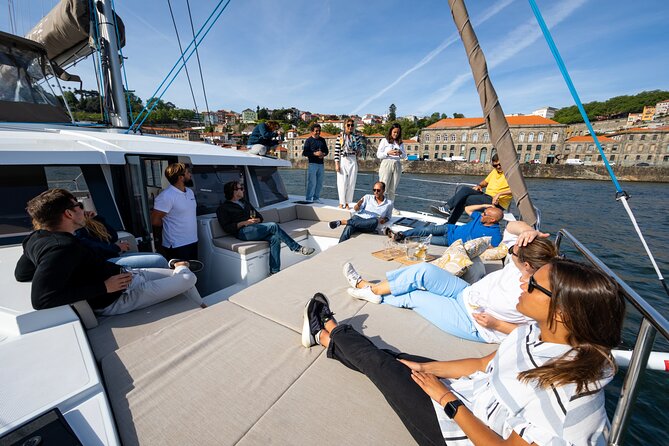
At $54.42 per person, you’re paying for: a guided boat experience, a port wine glass, and the chance to see major Porto-and-Gaia landmarks from the water in a short window.
You’re not paying for meals. Food and drinks aren’t included. But if you compare this to the cost of a taxi + paid attractions + time spent getting back and forth, the math often favors doing one structured river outing here—especially because you’re transported by the river instead of by roads.
For many visitors, the port wine plus the view package is the key value. For a smaller group size and English guidance, it feels like a fair deal if you’re ready for a tight itinerary and mostly “see and learn from the water.”
Should you book this Porto Douro River Cruise with port wine?
Yes—if you want an easy, scenic, guided break that shows Porto and Gaia as one system. The included port wine is a smart touch, and the river-estuary angle gives you more than just skyline photos. It’s also a great choice when you don’t have a full day for longer Douro valley logistics.
Skip it or go in with eyes open if:
- you’re extremely sensitive to motion and boat assignments vary
- you expect a big, raised-sail experience every time (conditions can change how the boat runs)
- you need food and drinks beyond the included port glass
If you book, I’d do two things to stack the odds in your favor: plan to arrive early for pier D / BBDouro check-in at the marina, and bring a warm layer for sunset. Get those right, and this cruise turns into one of the most relaxing ways to understand the Douro city story.
FAQ
How long is the Porto Douro River Cruise?
It runs about 2 hours.
Where do I meet for the cruise?
The meeting point is Marina da Afurada, at R. da Praia 430, 4400-554 Vila Nova de Gaia, Portugal. The activity ends back at the meeting point.
Is the tour in English?
Yes, it’s offered in English.
What’s included in the price?
Wi-fi, a glass of port wine, and the boat tour are included.
Do I need to bring food or extra drinks?
Food and drinks are not included, but for shared tours you’re not allowed to bring food or drinks from outside.
What’s the group size limit?
The tour has a maximum of 58 travelers.
Is the schedule better for daytime or sunset?
Both run on the same general route. Daytime tends to be easier for visibility, while sunset adds colder evening air and a sunset-focused view, which can still be affected by weather.