REVIEW · PANGKALAN BUN
2Ns Orangutan Kelotok Tour in Tanjung Puting Kalimantan – Borneo
Book on Viator →Operated by Borneo Primate Tours · Bookable on Viator
Orangutans, plus a real boat journey. This 2-night kelotok tour is a practical way to see Tanjung Puting National Park from the river, with guided wildlife time at two major orangutan sites. I like that you don’t just “drive around”—you cruise the Sekonyer River habitats and get an English-speaking guide who helps you actually find what matters.
Two things I especially like: the comfort basics (you get a sleeping setup, mosquito net, and Western-style toilet facilities) and the coverage at the Tanjung Harapan rehab center and Camp Leakey research area. One possible drawback: you’re in the rainforest—so expect heat, humidity, and riverboat days that may feel slow if you’re the type who wants constant action.
In This Review
- Key Things I’d Highlight Before You Go
- Why a Kelotok Houseboat Works So Well in Tanjung Puting
- Getting In: Pangkalan Bun, Kumai, and Your River Start
- Day 1 at Tanjung Harapan: Orangutan Rehab Up Close
- A realistic consideration
- Day 2 on the Sekonyer River to Camp Leakey
- What to look for (with a guide)
- Day 3 Return Toward Kumai and Pangkalan Bun
- A practical tip
- What You’ll Actually See: Orangutans, Proboscis Monkeys, and More
- Comfort and Convenience: Western-Style Toilets on a Wildlife Cruise
- A small reality check
- The Guide Factor: English Support and Real People at the Helm
- Price and Value: What $444 Buys You in the Real World
- The main value trade-off
- Packing and Timing: How to Stay Comfortable During River Wildlife Days
- Who Should Book This Tour (and Who Might Not Love It)
- Should You Book the 2N’s Orangutan Kelotok Tour?
- FAQ
- How long is the 2N’s Orangutan Kelotok Tour?
- Where does the tour start?
- How much does the tour cost?
- What are the main orangutan viewing stops?
- What’s included in the tour price?
- Does the boat have toilet facilities?
- Is there a vegetarian option?
- Is the tour private?
- What is the cancellation window?
Key Things I’d Highlight Before You Go
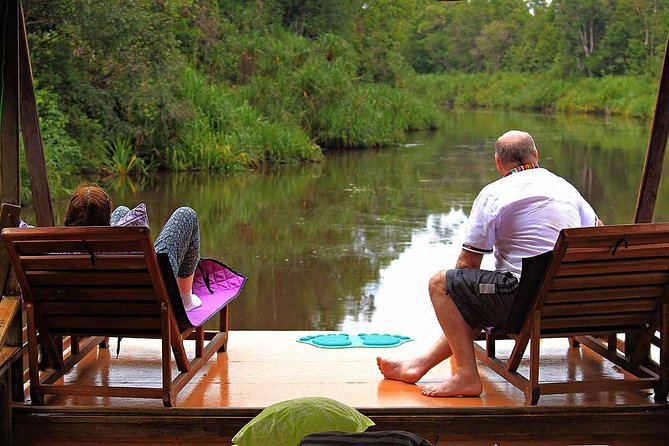
- Kelotok cruising on tea-colored river water: you’re moving through orangutan habitat, not just visiting stops.
- Two orangutan-focused sites: Tanjung Harapan and Camp Leakey give you different angles on rehabilitation and long-term research.
- Admissions and meals are included: fewer budget surprises once you’re onboard.
- Good English guide support: your guide helps you spot and interpret orangutans, monkeys, crocodiles, and birds.
- Western-style toilet facilities: a comfort win on a wildlife trip that can otherwise feel rough.
- Private tour feel: it’s listed as private, so it’s usually just your group on the itinerary.
Why a Kelotok Houseboat Works So Well in Tanjung Puting
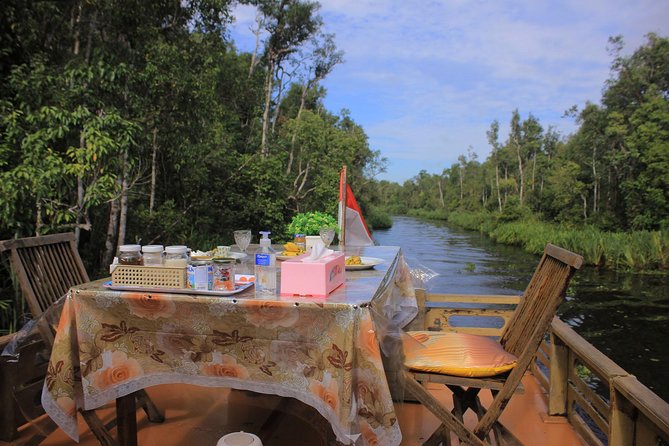
Tanjung Puting is not a place you “see” like a city. It’s a river-and-forest system, and the best views come from time on the water. That’s why the kelotok format is so smart: you live on the boat between your wildlife windows, then cruise when the animals are most likely to be out and active.
A key detail here is that this tour isn’t pretending you’re on a rough expedition. Your kelotok comes with accommodation basics (including a sleeping bed and a mosquito net), so you’re not spending the trip worried about comfort. And because the tour includes Western-style toilet facilities, you can stay focused on the reason you came: orangutan and rainforest spotting.
If you’re the kind of traveler who likes structured days, the itinerary is also built around a rhythm—go, pause at a wildlife stop, cruise again, then return onboard for food and rest. That makes it feel like a guided adventure instead of a scavenger hunt.
Getting In: Pangkalan Bun, Kumai, and Your River Start
This tour is based in Pangkalan Bun, Indonesia, with movements that connect you to Kumai and the rivers that lead toward the national park areas. The schedule is short on paper—listed at about 2 days (plus ~7 minutes)—but in reality it’s more about pacing than clock time.
The big practical point: you’ll be using river routes rather than switching constantly between land transfers. The tour includes private transportation and also offers pickup, which matters in Borneo where logistics can eat your energy. You also get a mobile ticket, which is useful when you’re juggling other parts of a trip.
Once you’re on the boat, the day becomes about light, timing, and patience. In this environment, wildlife spotting is rarely instant. The upside is that the cruise itself gives you chances to see daily life along the riverfront and the vegetation that defines these habitats.
Day 1 at Tanjung Harapan: Orangutan Rehab Up Close
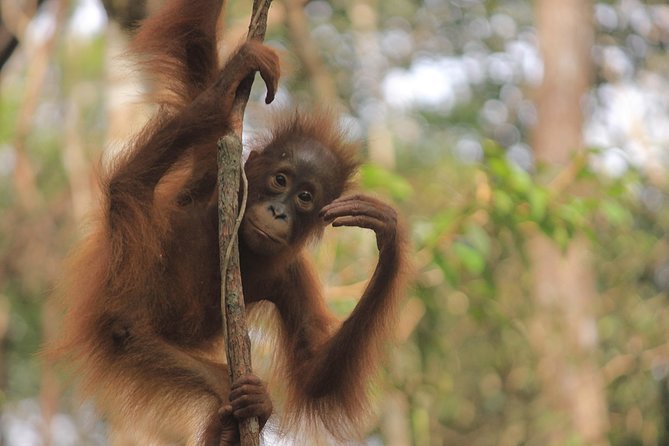
Your first wildlife stop is Tanjung Harapan Orangutan Rehabilitation Center. This is the kind of place built around a clear mission: rehabilitation and reintroduction support, which means your visit isn’t just scenic—it has purpose.
Expect about 1 hour 30 minutes for this stop, with admission ticket included. That time is usually enough to see the feeding activity and settle into the atmosphere. It’s also where your guide earns their pay. A good guide helps you understand what you’re seeing—how orangutans use their space, what behaviors are normal around feeding, and why the rehab setting matters.
Here’s what makes Tanjung Harapan a strong first day: it sets a baseline. You’ll likely notice orangutan movement patterns and social behavior that become easier to interpret when you move on to the next stop.
A realistic consideration
Rehab and feeding moments can bring people closer than you’d get with purely wild viewing. That’s part of the format. If you’re sensitive to crowds or prefer completely remote viewing, keep that in mind.
Day 2 on the Sekonyer River to Camp Leakey
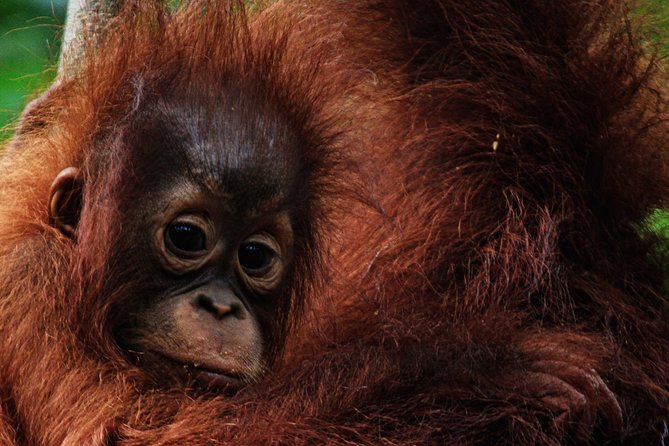
Day two is the heart of the story for many people, because you go to Camp Leakey—the historic research station where Prof. Birute MF. Galdikas started her study in early 1971. That research legacy adds weight to the visit. You’re not just passing through; you’re stepping into a long-term effort to understand orangutans in their environment.
Between the stops, you’ll cruise along Sekonyer River routes and into side creeks. The itinerary notes tea-colored water, which is a real rainforest feel: tannins tint the water, and it gives the whole area a muted, dreamy look while still being very functional habitat.
Camp Leakey has about 2 hours for the stop, with admission ticket included. That time is valuable because it lets you slow down. You can scan tree canopies, watch movement patterns, and wait for the kind of sighting that only appears after you stop “looking for it.”
What to look for (with a guide)
This is also where seeing other animals becomes part of the plan. The tour includes guidance on orangutans, monkeys, and crocodiles, and Camp Leakey’s setting can make those sightings feel more surprising than at a simple roadside viewpoint. Birds are also part of the expected mix.
If you’re lucky with timing and weather, you’ll catch a few moments where the habitat feels alive rather than staged. This is also where your guide’s English explanations help you read the scene fast.
Day 3 Return Toward Kumai and Pangkalan Bun
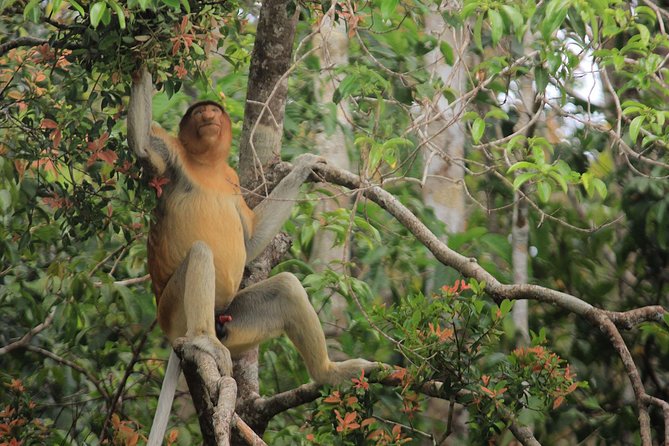
After breakfast, your day continues with cruising on the river back toward Kumai, then on to Pangkalan Bun. The wording in the itinerary suggests wildlife spotting isn’t finished at the main stops, and that’s one of the smartest parts of this tour design: it leaves room for additional chances.
This return day also tends to feel different. Day one is your first habitat entry, day two is your research-heavy peak, and day three becomes the “one more look” portion. It’s often the day when you stop comparing sightings and start noticing habitat details—how the vegetation changes, how the river bends, and where animals funnel their movement.
A practical tip
Pack for comfort rather than just sightings. If you’re focused only on the big moment, you might miss the smaller ones—like birds along the river edge or monkey activity you only notice during a slow cruise.
What You’ll Actually See: Orangutans, Proboscis Monkeys, and More
The tour is built around orangutans, but it doesn’t force you to only think about one species. With your guide’s help, you may see:
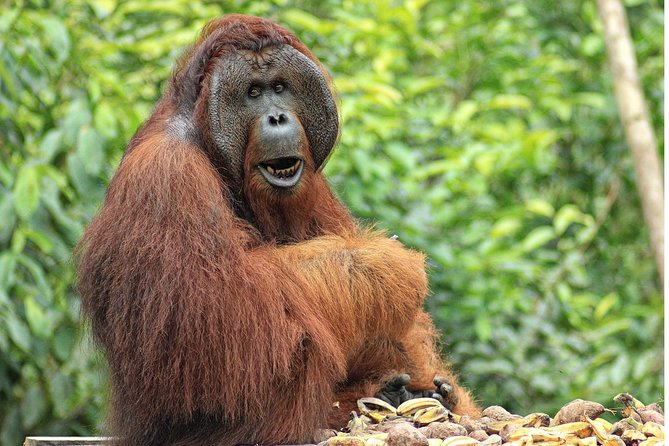
- Orangutans at both viewing-relevant stops
- Proboscis monkeys
- Langurs and long-tailed macaques
- Crocodiles spotted by the guide
- Local birdlife
This matters because Borneo sightings work better when you have multiple targets. If orangutans are distant in one moment, you may still get monkey movement, bird calls, or a crocodile sighting that breaks up the waiting.
I also like that the guide is specifically tasked with spotting and explaining. This isn’t a “here’s the brochure, good luck” approach. A strong English-speaking guide helps you not just watch, but understand what’s normal versus what’s notable.
From one of the tour responses, I also picked up a sense of how the operator frames the experience: the goal is support for the future of orangutans and the rainforest, plus creating green jobs for locals. That kind of framing tends to show up in how guides talk about the mission and why your visit has value beyond your own photos.
Comfort and Convenience: Western-Style Toilets on a Wildlife Cruise
I’m going to be blunt: comfort changes how much you enjoy wildlife travel. This tour includes Western-style toilet facilities, which is a big deal on a boat and a real reason many people stick with this itinerary rather than choosing a rougher option.
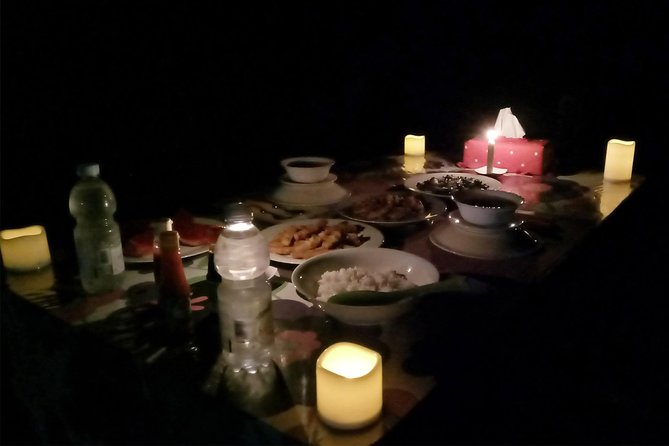
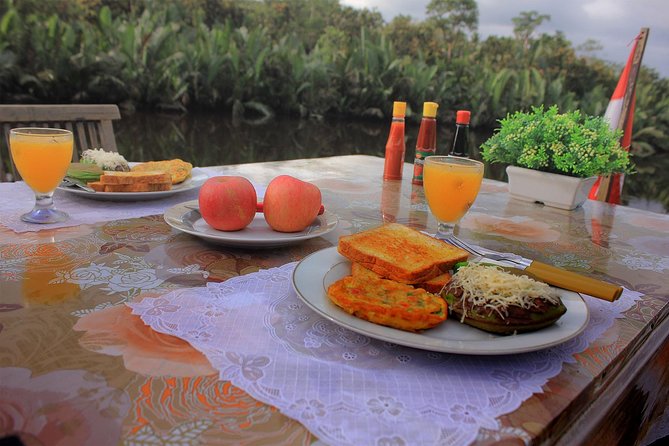
On top of that, your meals and drinks help you keep your energy stable while you’re out scanning the river. The included food list is solid and practical:
- Breakfast, lunch, and dinner
- Snacks
- Coffee and/or tea
- Soda/pop
- Bottled water
- Dinner included (so you’re not hunting for food after a long viewing stretch)
You also get admission fees included and you sleep onboard with basic setup. The mosquito net is not glamorous, but in the rainforest it’s exactly the kind of detail that makes the day feel manageable.
A small reality check
No matter how comfortable the toilet is, you’re still in a humid, outdoors setting. Bring lightweight clothes you can refresh quickly, and expect you’ll want breaks as much as you want sightings.
The Guide Factor: English Support and Real People at the Helm
The tour lists a good English-speaking guide, and one review response mentions Darmin by name, tied to a memorable experience. That’s a strong signal that the human side matters here—crew, guide, and the way the day runs.
Here’s what a great guide typically does in a tour like this:
- Helps you find wildlife without wasting your daylight
- Points out what matters (movement, feeding, locations)
- Keeps timing smooth between cruising and viewing windows
- Makes the boat experience feel safe and organized
Because this is a private tour/activity listing—meaning your group participates together—your guide can also tailor the pace more than on a big public boat. Group discounts are listed too, which suggests they consider different group sizes in pricing.
Also worth noting: the operator says the tour supports orangutan conservation and local green jobs. That doesn’t change whether you’ll see wildlife, but it often changes how the crew behaves and communicates during the trip.
Price and Value: What $444 Buys You in the Real World
At $444.00 per person, this isn’t the cheapest way to reach orangutan country. But the value case is fairly clear when you break down what’s included.
You’re paying for a full, guided river experience that bundles together:
- Kelotok accommodation (sleeping setup and mosquito net)
- Guide service (English speaking)
- Meals, snacks, and drinks
- Admission fees for key stops
- Private transportation and pickup offered
- All fees and taxes
If you tried to DIY this, you’d still need transport, guides, entry costs, and meal planning—plus you’d be dealing with the “in between” time on the river, which is when wildlife spotting happens. Here, those in-between pieces are already stitched together.
One reason reviews lean strongly positive is likely the combination of comfort plus access plus interpretation. When you include Western-style toilets and meals, you remove a lot of friction that can drag down a rainforest trip.
The main value trade-off
This price makes the most sense if you want a guided, low-hassle experience. If you love independence and want total control, you may prefer a different setup. But if you want someone else to handle the moving parts and keep you focused on wildlife, the math tends to work better.
Packing and Timing: How to Stay Comfortable During River Wildlife Days
The tour is in rainforest conditions, and even without exact weather data, you can plan based on the environment. Pack for heat and humidity, and assume you’ll spend time both on the boat and outdoors at viewing stops.
Practical packing ideas that fit this kind of trip:
- Light, breathable clothes and a layer for cooler moments on the water
- Rain protection that won’t turn into a sail
- Sun protection (hat, sunglasses)
- Basic insect protection, even with the mosquito net for sleeping
The itinerary includes multiple stops and cruising hours, so you’ll be glad you brought something easy to change into if you get sweaty or damp.
Also consider camera discipline. The listing says handy-cam/filming isn’t included, and drone permits aren’t included either. So if filming matters to you, keep your expectations realistic and plan on possible extra fees or restrictions for certain gear.
Who Should Book This Tour (and Who Might Not Love It)
This tour fits best if you:
- Want orphanutan-focused wildlife time at two meaningful sites
- Prefer a guided experience with an English-speaking guide
- Care about comfort basics, especially Western-style toilets
- Like the idea of living onboard and cruising between stops
You might reconsider if you:
- Need nonstop action and shorter quiet stretches
- Strongly prefer completely remote, non-rehab viewing formats
- Are trying to keep travel costs as low as possible and don’t want bundled pricing
Should You Book the 2N’s Orangutan Kelotok Tour?
If you want a rainforest trip that’s structured, comfortable, and built around real wildlife viewing, I’d say yes—especially at this price point where admissions, meals, and boat accommodation are included. Two stops—Tanjung Harapan and Camp Leakey—mean you’re not betting everything on one moment. Add in guide support and the boat comforts, and it’s the kind of trip that tends to convert first-timers into Borneo fans.
If you’re debating, use this checklist:
- You’ll be happy spending long hours scanning trees and river edges.
- You value a clean setup with toilet facilities and included meals.
- You want someone else to handle transport and timing between Pangkalan Bun, Kumai, and the river stops.
If those fit your style, book it and treat the experience like a river day with wildlife bonuses—because that’s exactly what it is.
FAQ
How long is the 2N’s Orangutan Kelotok Tour?
It’s listed as approximately 2 days and 7 minutes.
Where does the tour start?
The location is Pangkalan Bun, Indonesia, with stops that involve Kumai and river cruising in the national park area.
How much does the tour cost?
The price is $444.00 per person.
What are the main orangutan viewing stops?
You visit Tanjung Harapan Orangutan Rehabilitation Center and Camp Leakey.
What’s included in the tour price?
Included are the kelotok with accommodation, a good English-speaking guide, private transportation, meals (breakfast, lunch, dinner, snacks), coffee and/or tea, soda/pop, bottled water, and all fees and taxes.
Does the boat have toilet facilities?
Yes. The tour includes Western-style toilet facilities.
Is there a vegetarian option?
Yes. A vegetarian option is available if you request it at booking.
Is the tour private?
It’s listed as private, so only your group participates.
What is the cancellation window?
Cancellation is free up to 24 hours before the experience starts, with a full refund if you cancel at least 24 hours in advance.